Exploring the Growth of Online Gaming Communities
The digital landscape has seen tremendous changes over the past few decades, particularly in how we interact within online gaming communities. From humble LAN parties hosted in living rooms to vibrant virtual worlds dominated by millions of gamers, the journey has been nothing short of revolutionary. This evolution speaks volumes about our shifting social dynamics and our increasing reliance on digital platforms for interaction.
What drives these changes? Why do some gaming communities thrive while others fizzle out? Let’s take a closer look at the evolution of online gaming communities, the factors that have shaped these shifts, and what this means for the future of social interaction among gamers.
Why Online Gaming Communities Matter
Online gaming communities serve more than just entertainment; they foster social connections and shared experiences. These spaces bring together individuals from diverse backgrounds, allowing gamers to build friendships that often extend beyond the screen. In an age where digital identities are increasingly important, these communities provide a platform for meaningful interactions.
Understanding the trajectory of these communities helps us grasp why they continue to be essential for millions worldwide. From discussions about game mechanics to support networks during challenging times, the significance of these interactions cannot be overstated.
The Early Days: LAN Parties and Competitive Gaming
In the early days of gaming, interpersonal interaction often revolved around in-person LAN (Local Area Network) parties. Gamers would connect their PCs in basements or dining rooms, bringing together friends for marathon gaming sessions. Titles like Doom and Counter-Strike fostered camaraderie through competition and collaboration.
Despite the constrained geographic reach of LAN parties, they were the groundwork for creating tightly-knit communities. These gatherings established the bonds of friendship that later evolved into more extensive online interactions. As technology proliferated and internet speeds increased, it became clear that the future of gaming was moving toward digital spaces.
The Transition to Online Gaming
The arrival of broadband internet marked a turning point, enabling gamers to connect with others far beyond their immediate circle. Titles like World of Warcraft transformed interactions through Massive Multiplayer Online Games (MMOs), where thousands could coexist in a single environment. Communities formed in these virtual worlds became vital, creating social hierarchies and cultures unique to each game.
The Rise of Social Media and Streaming Platforms
As gaming continued to evolve, so did the platforms that supported it. The rise of social media reshaped the way gamers interacted, allowing these communities to expand their reach and influence. Gamers began sharing their experiences, from gameplay tips to personal anecdotes, through platforms like YouTube and Twitch.
This shift allowed communities to flourish around content creation. Gamers weren't just consumers; they were creators and influencers. Streamers began to thrive, gathering viewers who not only enjoyed watching gameplay but also felt a sense of belonging in the communities built around these content creators.
Engagement through Streaming
Platforms like Twitch revolutionized how gamers interacted. Chat functionalities allowed real-time responses, providing an immediate sense of community engagement. This participatory environment means viewers are not passive; they're active members of a vibrant community that thrives on interaction. For many, these live sessions become a routine source of entertainment and companionship. Streamers often become the central figures of these communities, shaping culture, humor, and even norms.
Current Trends in Online Gaming Communities
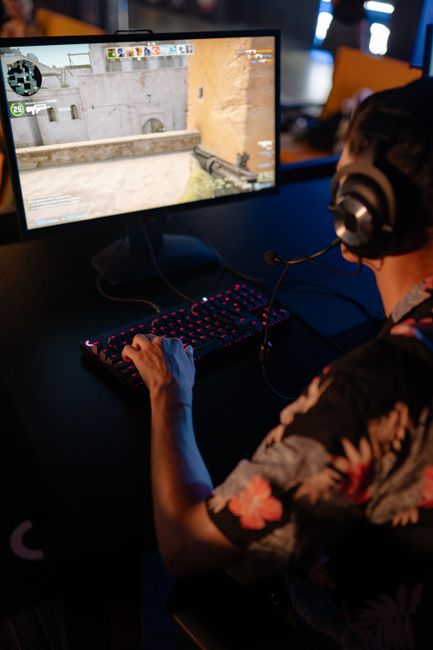
Today’s online gaming communities are diverse and multifaceted, organized around interests, platforms, or game genres. The emergence of gaming-specific social networks indicates how gaming culture has been embraced on a larger scale. Platforms like Discord enable players to create and manage their own community servers tailored to specific games or interests.
These communities can be small and intimate, or large and expansive, resembling traditional social networks but focused primarily on common gaming experiences.
Embracing Diverse Identities
The modern landscape of online gaming communities is also a testament to the increasing awareness of digital identities. Another layer of complexity emerges when you consider the representation of diverse identities within gaming cultures. Gamers increasingly prioritize inclusiveness, advocating for LGBT representation, gender equality, and multicultural acceptance. This evolving dialogue impacts community dynamics and participation levels.
Games as a Social Platform
Many gamers now view online interactions as primary social engagements rather than mere gaming sessions. Games are not just about competition; they are rich social platforms where friendships are formed and nurtured. The current generation shows a clear pattern of establishing online friendships that regularly transition into real-life connections, showcasing the depth and significance of these relationships.
Common Mistakes in Managing Online Gaming Communities
- Ignoring Community Guidelines: Establishing clear, fair guidelines is essential for maintaining a harmonious environment. Failing to enforce these can lead to toxic behavior.
- Neglecting User Feedback: The voice of your community is crucial. Ignoring feedback can alienate members and ultimately diminish community engagement.
- Over promoting: While sharing content and promoting activities is important, excessive self-promotion can crowd out authentic interactions.
- Exclusivity: Creating an exclusionary atmosphere limits the growth potential of your community. Ensure that new members feel welcomed.
- Failure to Moderate: An unmoderated environment can lead to the spread of negativity and toxicity, impacting the community’s overall health.
Expert Tips for Building and Engaging Communities
- Foster Inclusivity: Make an active effort to welcome diverse voices and backgrounds to enrich community interaction.
- Encourage Content Creation: Promote player-made events, contests, or streams that involve various community members. This includes rewarding participation.
- Prioritize Communication: Have clear platforms for dialogue. Regular updates, events, and community feedback channels are vital for keeping everyone engaged.
- Be Active in Your Community: A community is only as strong as its leaders. Be present, participate, and show your community that you care.
- Create Value: Ensure your community offers unique value people can't get elsewhere, whether it’s exclusive content or unparalleled engagement.
Comparing Gaming Communities from Different Platforms
| Platform | Key Features | Community Size | Interactions |
|---|---|---|---|
| Discord | Text and voice channels, customizable roles | Small to large | Real-time engagement |
| Twitch | Live streaming, chat functionalities | Large | Live interaction, fanbase communities |
| Forums on various topics, anonymous interactions | Medium to large | Asynchronous discussions | |
| Facebook Groups | Event organization, posts, and comments | Medium | Asynchronous posts, group engagement |
Looking Ahead: The Future of Online Gaming Communities
As technology continues to advance, the possibilities for online gaming communities are virtually limitless. Virtual Reality (VR) gaming, social gaming integrations, and immersive experiences will further enrich how we connect and interact. The role of online gaming communities will potentially evolve, becoming more integrated with technology that understands user preferences and behaviors.
In a world growing more interconnected, these communities will play an increasingly vital role in how we forge relationships in digital spaces, nurturing friendships and enriching our experiences as gamers.

FAQs
1. What are online gaming communities?
Online gaming communities are virtual spaces where players connect, share experiences, and nurture friendships based on shared gaming interests. These communities can take various forms, including forums, social media groups, and game-specific servers.
2. How have online gaming communities changed over the years?
Initially formed through in-person events like LAN parties, these communities have evolved into global, digital platforms. With the rise of social media and streaming services, communities today are more interactive and inclusive, allowing for real-time engagement and diverse participation.
3. What role does technology play in the evolution of gaming communities?
Technology enables more immersive and interactive experiences, expanding how communities form and interact. Features like live streaming and real-time chats have transformed online engagement, making communities more dynamic and accessible.
4. How can I contribute to an online gaming community?
Be an active participant by sharing content, providing feedback, and supporting fellow gamers. Attend events, engage in discussions, and don't hesitate to create or suggest new activities that align with community interests.
5. What are some challenges faced by online gaming communities?
Challenges include managing toxicity, ensuring inclusivity, and maintaining engagement over time. Communities must navigate these issues to create a healthy and welcoming environment for all members.
Final Thoughts
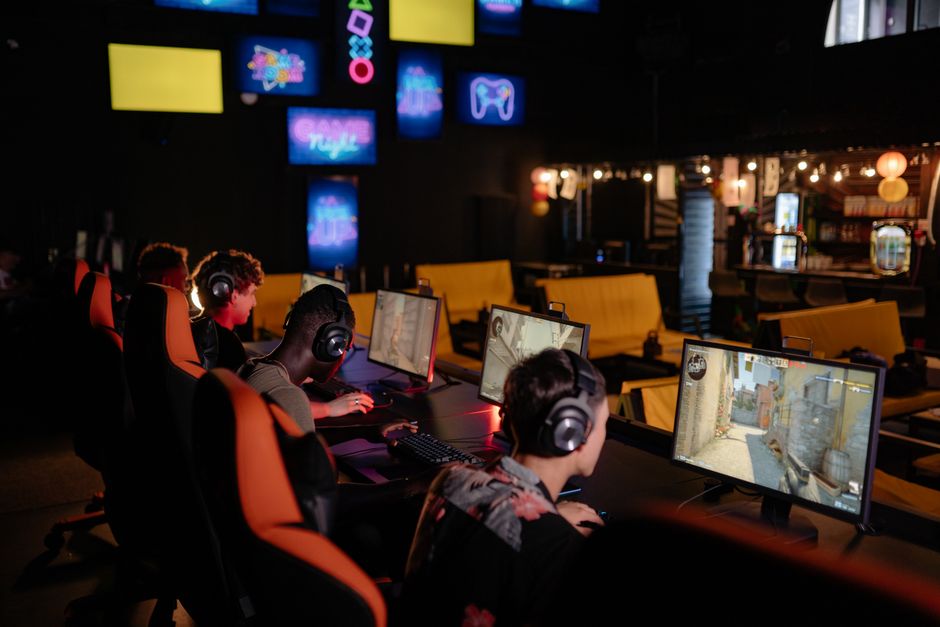
The evolution of online gaming communities reflects broader social changes in how we connect and communicate in the digital realm. As these communities adapt to new technologies and shifting player expectations, they will continue to be vital spaces for forming friendships, sharing experiences, and fostering a sense of belonging. Embracing this evolution can help us create more engaging, inclusive, and supportive environments for all gamers.