A New Era of Social Interaction
Growing up amidst the rapid evolution of the internet and technology, Gen Z has formed unique social habits that differentiate them from previous generations. While older generations may have turned to social media as their primary outlet for connection and community, Gen Z is increasingly gravitating towards gaming as their preferred form of social interaction. But what drives this shift? Let’s explore the dynamics of this transition.
Understanding Gen Z's Cultural Landscape
To fully grasp why Gen Z opts for gaming over traditional social media, we need to unpack their cultural environment. This generation is known for valuing authenticity, inclusivity, and immersive experiences over curated posts and performative interactions typical in mainstream social media. Gaming has seamlessly integrated these values into its core, allowing players to express themselves in real-time.
Authenticity in Digital Spaces
Platforms like Twitch and Discord foster environments where individuals can showcase their true selves. Gamers connect over shared interests and experiences rather than mere aesthetic appeal. This shift allows for deeper connections based on common goals and collaborative achievements, contrasting sharply with the often superficial interactions found on sites like Instagram and Facebook.
The Rise of Inclusivity
Unlike traditional social media, gaming communities frequently celebrate diversity. Titles such as Among Us and Fortnite draw players from diverse backgrounds, enabling an inclusive atmosphere for friendships to flourish. This acceptance resonates deeply with Gen Z, who have prioritized social justice and equity.
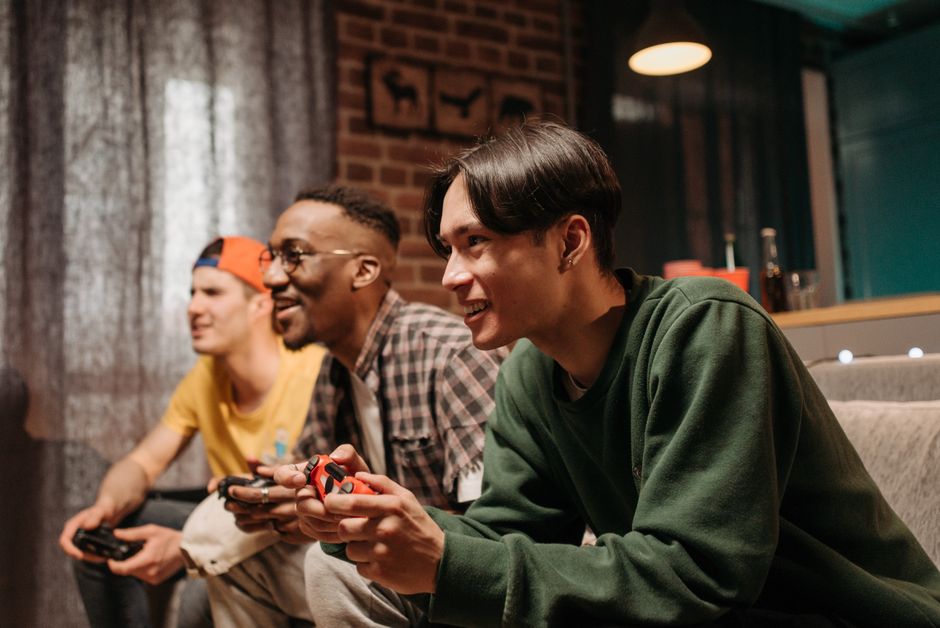
Gaming vs. Social Media: A Comparison
| Feature | Gaming | Social Media |
|---|---|---|
| Engagement Style | Interactive and collaborative | Passive and often curated |
| Community Building | Focused on teamwork and co-op play | Individualistic profile creation |
| Authenticity | Encouraged through gameplay | Often obscured by image crafting |
| Inclusivity | Welcoming diverse players | Can be isolating for some |
Interaction Over Content
While traditional social media platforms focus heavily on content curation, gaming emphasizes direct interaction. Players engage in real-time communication, form strategies, and build narratives together. In contrast, social media platforms often encourage one-sided contributions where users post content with little interaction in return. This interactive nature of gaming fosters genuine friendships and a stronger sense of community.
The Impact of Digital Identity
Generation Z is exceptionally conscious of their digital footprint. The nature of online friendships in gaming allows players to explore and even reinvent their digital identities. Users can craft unique avatars, create personalized gaming profiles, and establish reputations based on gaming prowess rather than social media metrics like follower count or likes.
Safe Spaces in Gaming
Gaming communities are increasingly integrating mechanisms for player safety, such as reporting tools and moderated chats, addressing growing concerns about harassment often seen on traditional social media platforms. This focus on safety encourages Gen Z to immerse themselves in these virtual realms without the fear of unwarranted scrutiny.

Communities Built through Gameplay
The social aspect of gaming creates bonds that can last beyond the gaming session. Platforms like Discord allow players to communicate outside the game, facilitating group chats where friendships can blossom. Furthermore, shared victories and defeats in gaming contribute to a sense of nostalgia and connection, leading to robust relationships that are often more meaningful than those formed via social media interactions.
Building Lasting Relationships
Another factor propelling this trend is the interactive nature of games. Many games require teamwork, and working towards common objectives fosters camaraderie and a sense of belonging. Compared to the often solitary nature of scrolling through social media, gaming offers communal experiences that are much more relational.
Entertainment vs. Networking
For many in Gen Z, the purpose of online interaction has shifted from networking to pure entertainment. Traditional social media platforms have been under scrutiny for fostering negative experiences, leading users to seek out communities that prioritize fun and engagement. Games fulfill this desire by presenting challenges and opportunities to collaborate or compete, delivering entertainment along with socialization.
The Role of Gaming in Leisure Activities
Instead of browsing through newsfeeds, Gen Z chooses to immerse themselves in virtual landscapes, solve puzzles, or tackle challenges with friends. The element of play and competition serves as an attractive alternative to the repetitive nature of social media interactions.
Common Misconceptions
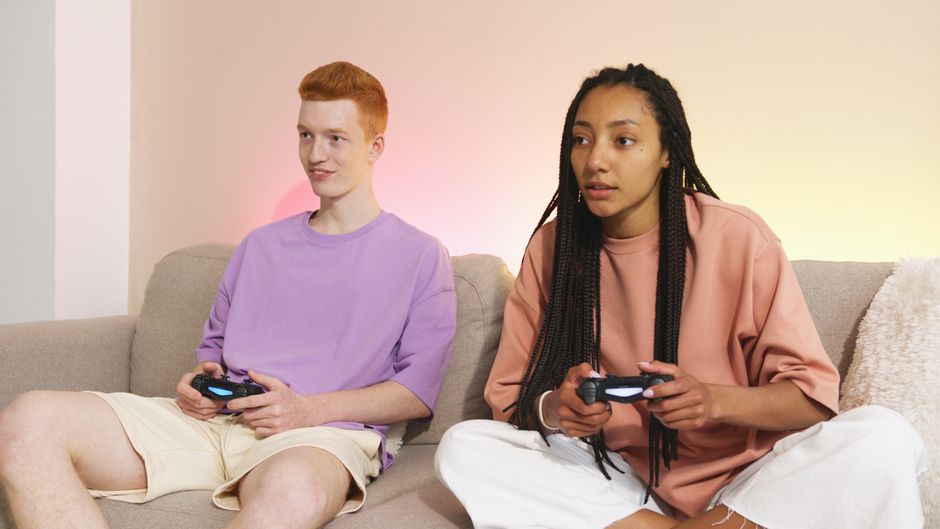
Despite the obvious benefits, some misconceptions about gaming and its appeal to Gen Z persist. Critics often point to the stereotype of gaming as a solitary activity that isolates individuals from real-world experiences.
Debunking Myths
1. **Gaming is Anti-Social**: Contrary to this belief, gaming can enhance social bonds through shared experiences. Players often communicate and collaborate, leading to genuine friendships.
2. **Gaming Has No Real-World Value**: Many gamers develop critical skills such as team collaboration, problem-solving, and strategic planning.
3. **It's a Waste of Time**: Engaging in gaming fosters creativity and can even support career pathways in game design, programming, and community management.
Expert Tips for Engaging in Gaming Communities
If you're looking to connect with others through gaming, here are some expert recommendations:
- Choose Inclusive Games: Look for titles renowned for diverse communities, such as Overwatch or Animal Crossing.
- Utilize Communication Tools: Platforms like Discord can enhance your interactions by allowing voice and text chats.
- Engage Responsibly: Respect the community guidelines, practice good sportsmanship, and report unacceptable behavior.
Conclusion: The Future is Gaming
As gaming continues to rise in popularity among Gen Z, its role as a primary form of social interaction seems set to grow. The blend of authenticity, teamwork, and immersive experiences offers an enticing alternative to traditional social media. As we witness this shift, it’s essential for platforms to adapt and embrace the changing landscape of online community building.
FAQs
1. Why is Gen Z moving away from social media?
Gen Z prefers gaming due to the authentic interactions, strong communities, and immersive experiences it offers, contrasting with the often superficial nature of social media.
2. What are the benefits of gaming for social interaction?
Gaming fosters teamwork, collaborative achievements, and real-time communication, creating deeper bonds among players.
3. How can I get involved in gaming communities?
Choose inclusive games, utilize communication tools, and respect community guidelines to build meaningful connections within gaming.
4. Is gaming isolating for Gen Z?
On the contrary, gaming provides social engagement opportunities, allowing players to interact, collaborate, and build friendships.
5. Are there any downsides to gaming communities?
While most gaming communities are positive, some may experience toxicity. It’s crucial for gamers to engage responsibly and help foster a supportive environment.