Understanding the Thrill of Competition
Competitive online gaming is more than just participation in a virtual match; it's a complex psychological landscape where thrill, strategy, and community intertwine. Gamers find themselves immersed in environments that challenge their mental acuity and encourage the forging of online friendships. The adrenaline rush stemming from competition, the temporary escape from reality, and the growth of an ever-engaging online culture contribute to why millions commit countless hours to these games.
Why Does Competitive Gaming Matter?
Understanding the underlying psychology of competitive gaming can shed light on broader aspects of human behavior in digital contexts. As members of online communities, gamers cultivate rich social interactions that replicate and sometimes exceed traditional friendship dynamics.
Competitive gaming fosters a sense of belonging and identity, particularly among Gen Z and millennials who are often searching for connection in our disconnected world. As more players join these virtual arenas, they establish intricate patterns of communication that define modern social behavior.
The Motivations Behind Competitive Play
1. Achievement and Mastery
The Most Rewarding Aspect
- Competitors often enjoy leveling up their skills and achieving personal bests.
- This drive for mastery fosters resilience and a growth mindset.
Players find immense satisfaction in reaching milestones, whether those are surpassing personal records or ranking higher in leaderboards. This constant striving for achievement not only enhances individual performance but also builds community recognition and status, providing layers of social fulfillment.
2. Social Interaction
Friendly Rivalries and Connections
Competitive gaming offers interactions that go beyond the game itself. Friendships are formed in the heat of battle as players team up to tackle challenges. These engagements contribute to a unique social fabric within gaming communities.
- Players often become friends outside of gaming via social media platforms.
- Many find camaraderie through shared experiences in the competitive sphere.
How Competition Shapes Identity
In an age defined by digital personas and avatars, competitive gaming serves as both an arena for self-expression and an experiment in identity crafting. Players carefully curate their online personas—from usernames to profile pictures—to reflect who they are or aspire to be.
- Digital Identity: Players learn to navigate their virtual representations, shaping how they perceive themselves and how others view them.
- Community Roles: Within communities, individuals often take on roles that further reinforce their identities, such as strategist, support, or leader.
Building Community Around Competition
Competitive gaming fosters a strong sense of community, creating safe spaces for players to express themselves and forge friendships. These bonds are strengthened through shared experiences and challenges faced together.
Additionally, community-created content, like fan art or strategy guides, further solidifies these connections, allowing members to showcase their skills outside the game while promoting collaboration and support.

Common Mistakes in Competitive Gaming
Although competitive gaming can be rewarding, many players fall prey to common pitfalls. Awareness of these mistakes can help players improve their performance and enhance their enjoyment:
- Neglecting Communication: Failing to communicate effectively with teammates can hinder performance and enjoyment.
- Overemphasis on Winning: Focusing solely on victory can lead to frustration. Enjoying the journey is equally important.
- Disregarding Mental Health: Remaining cognizant of one’s mental state is crucial. Take breaks to avoid burnout.
Expert Tips for Enhancing Your Competitive Experience
To maximize enjoyment and success in competitive gaming, consider these expert tips:
- Practice Effective Communication: Develop clear communication strategies with teammates. This enhances coordination and performance.
- Set Personal Goals: Focus on improving specific skills rather than solely aiming for victory.
- Join Online Communities: Engage with fellow gamers on platforms where you can share strategies and experiences.
A Comparison: Competitive Gaming Platforms
| Platform | Community Engagement | Game Variety | Accessibility |
|---|---|---|---|
| Steam | High | Extensive | Moderate |
| Xbox Live | Moderate | Variety in genres | High |
| PlayStation Network | High | Diverse games | High |
| PC Gaming | High | Limitless | Varies |
Frequently Asked Questions
What are the psychological effects of competitive gaming?
Competitive gaming can lead to increased resilience, improved cognitive skills, and enhanced social connections. However, it can also contribute to stress and anxiety if not managed correctly.
How do friendships form in gaming communities?
Friendships often develop organically from cooperative gameplay, shared experiences, and interactions outside of gaming through social media and forums.
Does competitive gaming affect mental health?
While competitive gaming can provide a sense of accomplishment and community, excessive focus on winning may lead to stress. Balance is crucial to maintain mental health.
What roles do gamers typically play in competitive matches?
Gamers often take on specific roles based on their skills, including positions like support, damage dealer, or strategist, which influence gameplay and team dynamics.
Can competitive gaming help with social skills?
Yes, engaging in competitive environments requires communication, teamwork, and conflict resolution—skills highly transferable to real-world scenarios.

The Future of Competitive Online Gaming
As technology evolves, so will the psychology and dynamics of competitive gaming. The rise of virtual reality (VR) and augmented reality (AR) will enhance emotional engagement and create new avenues for competition.
This future promises not just more immersive experiences but also more sophisticated social interactions as communities expand and evolve.
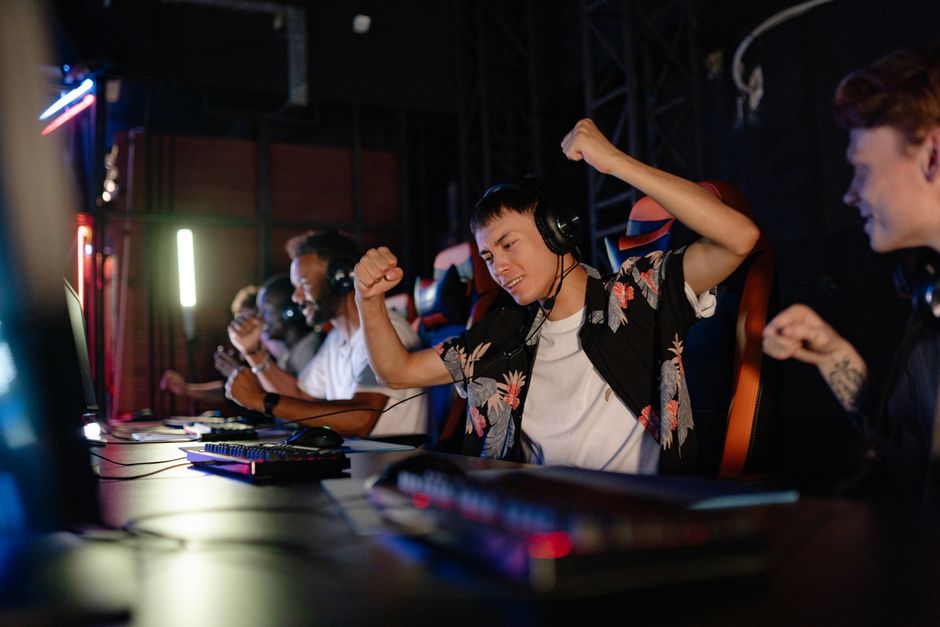
Engaging in a New Era of Competition
The psychology behind competitive online gaming is a vivid tapestry woven from motivation, community, and identity. It reflects our desire for achievement and deep connection with others, resonating strongly with digital natives. As we delve into the evolving landscape of gaming culture, one thing is clear: the evolution of competitive online gaming remains a fascinating aspect of our social fabric.