Mold—it’s one of those household nuisances you might not think about until it’s too late. Whether you spot a small patch of black spots in your bathroom or notice a musty odor in your basement, mold can quickly spread, affecting both your home’s structure and your health. But don’t panic! With the right knowledge, you can fight back and keep your living space mold-free.
In this post, we’ll break down the essentials of mold prevention and removal, and share some tips on how to ensure it doesn’t make a comeback. Let’s dive in.
What is Mold and Why Should You Care?
Mold is a type of fungus that thrives in damp, humid environments. It can grow on nearly any surface—walls, ceilings, floors, or even furniture—if the conditions are right. While it might seem like just a cosmetic issue at first, mold can cause serious health problems and long-term damage to your home if ignored.
Why should mold concern you? Here are the key reasons:
- Health Risks: Mold can trigger allergies, asthma, and other respiratory issues.
- Structural Damage: Mold often indicates an underlying moisture problem that could lead to costly structural repairs.
- Rapid Spread: Mold grows quickly, and once it appears, it doesn’t stay in one place for long.
In short, mold isn’t something to brush off. It’s a sign of a deeper issue that needs your attention.
Early Signs of Mold: What to Look For
The earlier you spot mold, the easier it is to prevent it from spreading. Here are some common signs that you might have a mold problem in your home:
- Visible Patches: Black, green, or white fuzzy patches on walls or ceilings.
- Musty Odor: A persistent earthy or damp smell.
- Water Stains: Discoloration or water stains on walls or ceilings can be a giveaway.
- Health Symptoms: If you’re experiencing increased allergy symptoms, mold could be the culprit.
If any of these sound familiar, it’s time to investigate further. Catching mold early can save you time and money in the long run.
How to Safely Remove Mold: A Step-by-Step Guide
If you've found mold in your home, it’s important to act quickly—but safely. Here’s a simple guide to help you handle the cleanup without making things worse.
Step 1: Fix the Source of Moisture
Mold thrives on moisture, so fixing the underlying problem is the first step in effective mold removal. Whether it’s a leaky pipe, poor ventilation, or condensation, addressing the root cause will prevent future outbreaks.
Step 2: Contain the Area
Mold spores can spread easily, so it’s crucial to contain the affected area. Seal it off using plastic sheeting, and if possible, create negative air pressure to keep spores from floating into other parts of your home.
Step 3: Protect Yourself
Mold can be harmful when it comes into contact with your skin or when you breathe in spores. Make sure to wear gloves, goggles, and an N95 mask while cleaning up. Safety first!
Step 4: Clean Up the Mold
For small areas, you can use natural cleaning agents like vinegar or hydrogen peroxide. For larger mold infestations, especially in porous materials like drywall, you might need to bring in a professional.
Step 5: Disinfect Thoroughly
Even after cleaning visible mold, it’s important to disinfect the area to eliminate lingering spores. This will help prevent mold from coming back.
Step 6: Dry the Area
Moisture is the number one friend of mold. After cleaning, ensure the area is completely dry using fans or dehumidifiers. Keeping your indoor humidity below 50% can help prevent future mold growth.
How to Prevent Mold: Tips for a Mold-Free Home
Prevention is always better than dealing with a mold outbreak. By keeping moisture under control, you can greatly reduce your risk of mold in the future. Here are some proactive steps you can take:
- Fix Leaks Immediately: Even small leaks can create big problems down the line.
- Use Dehumidifiers: Place dehumidifiers in damp areas like basements or bathrooms to keep moisture levels in check.
- Increase Ventilation: Ensure your home is well-ventilated by installing exhaust fans or opening windows regularly.
- Inspect Hidden Areas: Check spots that are easy to overlook, like under sinks or behind furniture.
- Maintain Your HVAC System: Regular maintenance will help control indoor humidity levels and circulate air.
By taking these preventative measures, you’ll be well on your way to keeping your home mold-free for years to come.
When to Call the Professionals
While many mold issues can be handled yourself, some situations require professional help. If the affected area is larger than 10 square feet, or if you’re dealing with recurring mold problems or health concerns, it’s time to call in the experts.
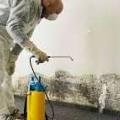
Professional mold remediation companies, such as Mold Guys, specialize in removing mold and addressing the underlying moisture issues that cause it. They have the tools, experience, and safety gear to handle mold problems safely and effectively.
Take Action Now to Protect Your Home
Mold might be sneaky, but you don’t have to let it take control of your home. By staying vigilant, addressing moisture issues quickly, and keeping a close eye on potential problem areas, you can prevent mold from becoming a major issue. If you spot it early, you can stop it in its tracks.
Want more home maintenance tips and mold prevention advice? Be sure to subscribe for regular updates and stay ahead of common household problems.


-
 The Mold GuysFounder
