Limited Gold Offer !💎500% EXTRA GOLD! ⏳ Buy before July 3–💰1 Gold = $48,052,813 IIE L19 🚀 Buy Gold Now!
Categories
M4
1 like Album
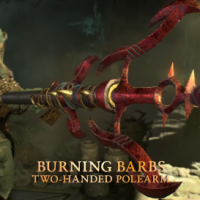
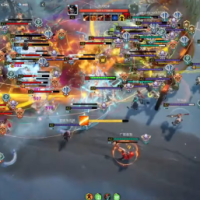
The whirlwind Barbarian is back, and it's not just spinning-it's obliterating.With the help of Season 9's new Haradric powers and item synergies, this build is easily clearing Pit 100+ in under 10 minutes. It summons elites mid-fight Diablo 4 Items, drops Dust Devils that hit for nearly a trillion damage, and leans heavily into DoT scaling, overpower stacking, and some of the coolest summon mechanics in the game.   Let's break it all down-how it works, why it works, and how you can spin your way to leaderboard glory.   What Is the Whirlwind Twister Build?   At a glance, it's a Whirlwind-focused Barbarian build that leverages the Twister portion of the Ariat's Bearing aspect and combines it with summons, overpower multipliers, and lucky hit synergies to create Dust Devils that detonate entire screens.   But this isn't just about flashy visuals-it's a tightly wound engine of destruction that stacks buffs, crits, and multipliers with terrifying speed.   Key Mechanics and Damage Sources   Twisters (Dust Devils)  The heart of the build. Each Dust Devil spawned by Whirlwind is scaled through masterworking, lucky hit, and other multipliers.  They deal massive AoE damage, regularly hitting for 600–900 billion, and can spike to over 1 trillion with Overpower and summon synergies.   Summons and Ancients  The build uses Call of the Ancients as damage-dealing minions. These “engines” aren't just for show-they receive massive buffs from the Catalyst seasonal power and certain gear modifiers.  As enemies die, more elites are summoned using a new Season 9 Haradric power, leading to even more chaos and DPS uptime.   Overpower Scaling  Damage ramps up exponentially when Overpower is triggered.  Starting around 100 billion damage per Dust Devil, damage can quickly spike to the hundreds of billions, and even trillions, when stacked properly.   Fierce Winds  Grants a major multiplier based on Dust Devil size. The more you scale your size via gear and masterworking, the higher your total damage output.  Notably, Earthquake aspects were nerfed in this PTR patch-but Twister interactions were left untouched, making this build even more appealing.   Gear and Aspects Breakdown   To make this work, you'll need a few specific items:   Required Gear and Powers  Ariat's Bearing (Pants)-Enables Dust Devils from Whirlwind and scales with size.  Fierce Winds (Season Power)-Doubles down on Dust Devil size → damage.  Catalyst-Boosts summon damage significantly.  Call of the Ancients-Modified by Season 9 to summon insane damage-dealing ancients.  Fist of Fate-For Lucky Hit procs. Essential for cooldown resets and DPS triggers.  Unhindered (Boots)-Allows spinning without movement penalties. Keeps Whirlwind mobile and lethal.  Rage of Harrogath-Reduces cooldowns based on hits and bleeds applied-excellent synergy with Whirlwind spam.  Bloody Charm-Executes enemies while stripping defenses and triggering vulnerable, a key damage amplifier.  Amulet-With ultimate cooldown and summon stats. Helps with uptime on Call of the Ancients.   Masterworking on the PTR is currently bugged and allows higher-than-normal rolls. Even with that, this build is functional and explosive under standard conditions.   Core Skills & Passives   Whirlwind  The spammed skill that generates Dust Devils and spreads bleed.  Paired with Lucky Hit and polearms for maximum area-of-effect DPS and trigger chance.   Call of the Ancients  Your true main damage source-summons "engines" that can hit as hard as your character or more.  Stacks damage even further via summoning powers and the Catalyst.   War Cry + Ya Cry  Used for buffing damage and pooling mobs for AoE effectiveness.  Critical for elite packs and Pit clears.   Core Passives  Unconstrained-Extends Berserking duration and adds extra damage.  Heavy Hitter-585x multiplier to big hit moments.  Fierce Winds-As mentioned, essential for the Dust Devil scaling.  Vement-Adds another 40x multiplier on damage with Berserking.   Paragon Boards Overview   The Twister Bob build leverages multiple boards stacked for multiplicative scaling:    Starter Board with Blood Rage  Weapons Master with Ira (for bleed scaling)  Challenger + Decimator  Bone Breaker with Executioner (big burst on stun)  Revenge and Outburst (stacked with Thorns triggers to proc vengeance)  Twister Node-Makes Dust Devils even more powerful.  AU Quax-Strong attack speed scaling node.   You'll also want Polar Arm selected in your expertise, since this is the weapon type paired with Lucky Hit, Whirlwind, and cooldown triggers.Final Thoughts: The Most Fun Barb Build Right Now?   If you're looking for a Diablo 4 PTR build that balances fun, visual flair, and power, the Whirlwind Twister Bob might just be your perfect storm. It spins. It shreds. It lags the game. And best of all-it's strong enough to carry you through the most dangerous Pits in the game buy Diablo IV Items. Until Blizzard gives us a pure direct-damage Whirlwind Barbarian, this version with Dust Devil summons and elite-stacking chaos is more than enough.

Chunz liu
M2
1 like Album
College Football 26 is heating up, and as Ultimate Dynasty events roll on, the game just dropped one of its most electrifying Rewind cards to date-Dinard Robinson. A true college football legend and fan-favorite dual-threat QB from Michigan, Dinard "Shoelace" Robinson arrives with video game numbers across the board. The question is CFB 26 Coins: Can he live up to the hype in actual gameplay?   We put him to the test in a high-stakes Ultimate Dynasty run, playing against top-tier opponents and mixing him into a team with playmakers like Zay Jones, Brandon Aiyuk, Ali Gordon, and a stacked defense. Here's how Dinard held up, what makes this card special, and whether he deserves a starting spot on your squad.   Dinard Robinson Rewind Card Stats Breakdown   First things first, let's talk about Dinard's in-game stats:    Speed: 98 (feels like 99 in open field)  Throw Power: 99  Short Accuracy: 99  Medium Accuracy: 99  Deep Accuracy: 97  Throw Under Pressure: 97  Throw on the Run: 99  Carrying: 98  Spin Move: 96  Juke Move: 94  Change of Direction: 98   At 5'11" and 197 pounds, he's not the most imposing quarterback physically, but he's shifty, responsive, and quick on both passes and improvisation plays. Most importantly, he plays fast, whether it's extending the play, escaping the pocket, or snapping off high-velocity lasers across the field.   Abilities: The Hidden Sauce   Because Dinard is a Rewind card, he comes with discounted abilities in every slot-a huge bonus for those who want a loaded QB without spending extra AP.   Here's the offensive setup we ran with:    1 AP Extender-Keeps plays alive with elite escape potential.  1 AP Workhorse-Boosts stamina and durability on QB runs.  1 AP Magician-Helps with throw on the run and quick release windows.  1 AP Pull Down-Improves mobility and improvisation when a play breaks down.   The result? A quarterback who not only has top-tier stats but can also make magic when a defense overcommits.   The Squad Around Him   Dinard didn't have to do it alone. The supporting offense included:    Zay Jones (Takeoff)-Reliable deep threat  Brandon Aiyuk (Sure Hands)-Possession beast  Antonio Williams (Takeoff)-Speedy slot receiver  Ali Gordon (Shifty)-Versatile RB with elusiveness  Tyler Warren-Solid tight end option   The O-line had three solid players, but two weaker spots meant Dinard had to use his legs more often than ideal. This showcased one of the card's main strengths: scrambling efficiency under pressure.   Defense: The Best in the Game?   This second account featured arguably the best defense the creator has built, with the exception of a few D-line pieces. Core players included:    Cam Chancellor (Robber & House Call)  Leonard Moore  Paul Lewis  Eugene & Asante Samuel Jr.   The defense was designed around House Call, Takedown, Workhorse, and Quick Jump, resulting in heavy pressure, constant pursuit, and plenty of pick opportunities.   Gameplay Impressions: Dinard the Dual-Threat Monster   Let's dive into the action. Dinard's gameplay was full of electric moments-tight-window throws, off-platform lasers, and some incredible runs that made defenders miss repeatedly.   Key Highlights:    Dot to Zay Jones: Perfect throw over the top on a deep crosser.  Juke and Go: Spin + juke combo for a 20+ yard scramble.  Broken Play, Big Gain: Flushed out of the pocket, playmaker activated, hit Antonio Williams on the sideline for a clutch first down.  Extender Magic: Shrugged off pressure, kept the play alive, and dropped a dot on 3rd and long.  Clutch Run Game: Multiple goal-line carries showed off Dinard's 98 carry rating. Rarely fumbled, even under duress.   While he did fumble once on a long scramble, that's bound to happen in a mode with elite defenses and strip attempts flying. For the most part, Dinard stayed clean, made smart decisions, and converted high-pressure moments into highlight plays.   Smart Football, Hard Fights   Some of the opponents were absolute demons-switching coverages, blitzing from every angle, running deep zones with 85-yard drops-but Dinard never felt outmatched.   He adapted:    Against man blitz: quick throws to flats and scramble drills.  Against match zone: broke the structure by hitting drags and RB options.  Against deep zones: extended the play and found holes on scramble adjustments.   While one opponent chewed clock and ran 9-minute drives (goal line offense included), Dinard answered in one-play touchdowns more than once-reminding everyone of his explosive upside.Ultimate Dynasty Rewards and Closing the Grind   After a long slog through Ultimate Dynasty, the rewards started rolling in. Pulling a 99 Xavier Scott with 99s in speed, excel, man, and zone sealed the deal. Robinson and Scott instantly became the two best players on the squad.   With other 97s and 94+ tokens pulled along the way, the return on investment was solid-even more so considering Dinard Robinson was pulled as BND and used essentially for free on this second account.   Final Verdict: Is Dinard Robinson Worth It?   Yes. Dinard is a must-use QB for anyone who values mobility, creativity, and game-breaking speed.   Whether you're on a budget, grinding solo content, or matching up in high-end PvP, this card brings the juice. He's fast, fun, and dangerous. His release-while not the fastest in the game-is good enough to compete with the likes of Milroe, and he's 100% better than the Johnny Manziel card.   For 300K coins, you'd be hard-pressed to find more bang for your buck.   Final Thoughts   Dinard Robinson feels like the perfect hybrid between a scrambler and a pocket passer. You get the best of both worlds: big-arm throws with highlight-reel runs. The new-gen mechanics in College Football 26 make cards like Dinard feel even more fluid buy NCAA Football 26 Coins site, and his discounted ability buckets only make the deal sweeter.   Whether you're clocking a 1-play touchdown or forcing rage quits in the title game, Dinard will be your engine.
Chunz liu
M2
1 like Book
As we march toward the much-anticipated release of College Football 26, the Dynasty community is buzzing-not just because of new gameplay details or revamped mechanics CFB 26 Coins, but because a persistent issue continues to trip up even experienced players: broken archetypes caused by position changes. Today, we're diving deep into a smart, tested method to fix these problems in your Dynasty saves, while also spotlighting a growing resource hub in the space.   Dynasty Mode's Big Problem: Bricked Players and Archetype Glitches   If you've spent any time in College Football 25's Dynasty mode, you've probably hit the archetype wall. You try to move a quarterback to another position-or switch a linebacker's role-and suddenly your four-star recruit becomes completely useless. You've just bricked their archetype.   This happens most frequently when:    Changing Quarterbacks (often default to useless "Strong Arm" with no abilities)  Moving Running Backs (get locked into "Receiving Back" archetype)  Shuffling Outside Linebackers (break into undefined "Speed Rusher" types)  Even Wide Receivers sometimes glitch to "Deep Threat" only   This isn't just a minor bug-it renders your players ineffective by stripping them of their abilities, even if their raw ratings remain intact.   The Fix: Understanding In-Season vs. Offseason Position Changes   The first step to solving this problem is understanding that there are two types of position changes in College Football's Dynasty mode:   1.In-Season Position Edits (via Player Card > Edit Player)  Fast, accessible, but dangerous  Auto-assigns archetypes like "Scrambler" (QB), "Receiving Back" (RB), "Deep Threat" (WR)  You cannot see what archetype your player will become   2.Offseason Position Changes (National Signing Day > Position Change Window)  Safer, more transparent  Shows you available archetypes based on ratings  Enables manual control over player roles   TL;DR: In-season changes are risky and often irreversible. Offseason changes are your safest bet.   Common Examples: What Not to Do    Don't change a QB in-season using Edit Player. You'll often default to a bricked Strong Arm with no abilities. Instead, wait for offseason and evaluate archetypes based on their ratings.    Don't try to force an elusive back by changing positions mid-year. You'll often end up stuck as a receiving back-even if your player was originally an elusive back.    Don't switch outside linebackers mid-season. You risk turning them into glitchy, non-existent archetypes, like a blank-faced "speed rusher" with no attributes or abilities.   Glitch Method Test: How to Revert a Broken Archetype   Here's the tested fix for bricked running backs or quarterbacks:   Example: Fixing a Bricked Receiving Back 1.Take the RB and switch their position to WR, then CB, then back to HB. 2.This method will drop their catch rating, forcing the game to classify them as elusive back instead of receiving back. 3.This method only works in the offseason. In-season edits will keep defaulting to receiving back no matter what.   Example: Fixing a Bricked Strong Arm QB 1.Switch the player to Punter, then back to QB. 2.This reverts them to the Scrambler archetype-better than Strong Arm, even if not ideal. 3.This should only be done after you've bricked the player   Bonus Tip: Scrambler QBs still get decent abilities, like Throw on Run and Jukebox, which are better than nothing.   Why Does This Happen?   The theory-now largely confirmed-is that the game has preset archetype defaults for in-season edits. When you use the Edit Player screen mid-year, players are force-assigned to:    Scrambler (QB)  Receiving Back (RB)  Deep Threat (WR)  Generic Speed Rusher (OLB)   But in the Position Change menu during the offseason, the game dynamically assigns archetypes based on a player's ratings. You'll see options like:    Slot/Hybrid (for DBs)  Power vs. Elusive (RB)  Possession vs. Deep Threat (WR)  Coverage vs. Pass Rush LB   Use a Fake Dynasty to Experiment If you're unsure, fire up a test Dynasty and try this out:    Try in-season edits and watch archetypes default.  Try offseason position changes and see the variety in options.  Take screenshots, jot down results, and apply that knowledge to your real league.If you've ever bricked a player and had no idea how to fix it, this is where you get the answers. The site includes a breakdown of position change mechanics, spreadsheets to help avoid mistakes, and community-tested glitch fixes.   Final Thoughts: Prepare Now, Dominate in CFB26   Now is the time to prepare College Football 26 Coins. Running test Dynasties to learn player logic, or finally un-bricking that QB you accidentally turned into a statue-it's all about maximizing your prep window.
Chunz liu
Ma
1 like Book
Today, we're setting sail in Skull and Bones with what might look like a joke-but performs like a menace: the Barge Build Skull and Bones Items, affectionately known as the "Bathtub of Fire."   You're probably asking yourself: why would anyone willingly choose the tiniest, most unassuming ship in the game? Why pick the Barge when there are mighty frigates, nimble cutters, and tanky brigs? The answer is simple: wildfire synergy. With the right setup, this little tub becomes a floating inferno capable of wiping out clusters of enemy ships while soaking up more damage than you'd think possible.   Let's break down what makes this build so devastating-and why you might want to give it a shot yourself.   Why the Barge?   At a glance, the Barge seems like a meme ship. Small, slow, and lightly armed. But looks can be deceiving. With the Wildfire Perk, this ship applies the Ablaze status to any ship it hits-and that effect spreads in a 125-meter radius. Combine that with weapons and furniture that scale with burn damage, and you've got an AoE nuke machine. The ablaze status also boosts weapon damage by 20% and speeds up blaze charge by a whopping 150%.   In a properly tuned build, this effect turns the battlefield into a domino of burning ships, chain-reacting with every hit. Think of it like setting off a powder keg in the middle of a convoy-except you're doing it with a ship the size of a lifeboat.   Weapons Loadout   Main Cannon-Electto   Your primary weapon is the Electto, a triple-shot bolt launcher. If all three bolts hit a target, they ignite it in flames. This is your main enabler of the burn synergy, and it fires fast enough to keep that ablaze effect going consistently.    Burning II and Piercing are naturally built into the Electto.  Effective at close to medium range (~600m).  Works particularly well in PvP if you can aim it accurately.  Weakness: The bolts fan out over distance, so full effect requires proximity.   Port Weapon-Phoenix Talons   Initially underwhelming, the Phoenix Talons have been quietly buffed into monsters. With 18 fiery strikes, they're excellent for stacking burning damage quickly.    Rolls: Combustion + Amplified Burning ×2  Ideal for applying consistent DPS and status effects.  Starboard Weapon-Helport (or Darts)   The Helport is a flexible tool. While not required, it offers decent sustainability. Alternatively, Darts can work well if you add burning effects to them.    Current roll: Firepower, Soul Mending, Amplified Burning  Not optimal rolls but still effective  Rear Weapon-NASCAR   Not an ideal match for the build, but it's what was available. Better results can come from future upgrades to rear weapon rolls.    Rolls: Combustion, Soul Mending, Explosive  Ideally, you'd want Burning here instead of Explosive.   The Ace: Infernal Maul   This is where things get wild. The Infernal Maul minefield buoy has the following key traits:    Burning III  Triggers a Fire Explosion upon buoy destruction  Deals 300% damage  Instantly sets targets ablaze   This weapon is the crown jewel of the build. Drop it in a fleet, pop the buoy, and watch everything in the radius go up in flames. It synergizes perfectly with your ablaze-triggering weapons and amplifies your wildfire strategy.   Rolls:  Incendiary, Soul Mending, Durable Buoys  Still a work in progress, but highly effective even now   Armor and Furniture Setup   Armor is situational:    PvE/Fort Raids: Oraorus for higher defense and survivability  PvP: Black Prince, the go-to standard for most one-on-one duels  Furniture on this build focuses heavily on sustainability, burn amplification, and buoy utility.   Ascensions and Passive Buffs To push this build over the edge, here are the Ascensions used:    Combustion: Enhances explosive and fire-based damage  Amplified Explosive  Amplified Burning ×2   This increases how quickly you trigger ablaze and how hard it hits once it does. These ascensions are essential to keep the firestorm rolling.FieldTest-Performance and Impressions   Testing this build in both PvE and PvP, it exceeded expectations. Despite being tiny and seemingly fragile, the Barge held up well even under pressure.    PvP: Surprising results. The Electto hits hard, and ablaze stacks add up quickly. The Phoenix Talons help you hold your own in brawls.  PvE: Extremely effective at breaking apart convoys and outposts. A few Infernal Maul mines and one good round of Electto fire can thin a group instantly.  Sustain: Thanks to smart furniture and crew stamina management, healing is constant. Rarely had to brace or use ego kits.   Even in choppy waves and heavy enemy presence, the Barge never sank. With multiple ships ablaze, their targeting becomes chaotic, and the consistent hull regen keeps you afloat.   Extra Tips and Closing Thoughts    Torpedo Defense: Your minefields also act as a shield. If you're up against enemies spamming torpedoes, drop a buoy field-it'll absorb the damage.  Cosmetics: Purely up to you. For the full theme, pick a flaming skin to match the infernal vibe.  Upgrade Path: This build isn't fully optimized yet due to lack of ascended parts. Once those are acquired, expect an even deadlier setup.   Final Verdict   Don't let the size fool you. The Wildfire Barge Build is one of the most fun and effective ways to play Skull and Bones right now buy Skull and bones items for sale cheap. It's not just a troll setup-it actually shreds in the right hands. If you're bored of the meta and want to try something fresh, fiery, and full of chaotic potential, give this flaming bathtub a spin.
Chunz liu
MC
1 like Album
As the release of Path of Exile 2 (POE2 Currency) approaches, the anticipation among action RPG (ARPG) fans has reached a crescendo. More than a decade after the original Path of Exile launched in 2013, the landscape of the genre has dramatically shifted. Modern ARPGs are now awash with monetization models, streamlined mechanics, and visuals that sometimes overshadow gameplay substance. Yet amid this evolution—sometimes inspiring, other times compromising—Path of Exile 2 stands as a bold response. It is not merely a sequel. It is a statement. For Grinding Gear Games (GGG), POE2 is the culmination of years of listening to its player base, analyzing the genre’s missteps, and committing to a vision that prioritizes depth, customization, and player agency. As many studios chase trends, GGG appears determined to reshape them. A Sequel—and a Rebirth What sets Path of Exile 2 apart is that it isn’t a sequel in the traditional sense. It doesn’t abandon the foundation laid by its predecessor. Instead, it builds upon it in transformative ways. GGG has clarified that POE2 will coexist with the original Path of Exile, sharing the same client and ecosystem, while offering a new seven-act campaign and a wealth of fresh mechanics. This dual-campaign model is unprecedented. Most developers would shutter the old in favor of the new, but GGG respects the legacy of the original game and its long-time player base. For veterans, this is not a forced migration—it’s an invitation to rediscover the world of Wraeclast with fresh eyes and vastly expanded possibilities. Design Philosophy: Depth Over Flash From the outset, Path of Exile was never designed to be mainstream. It was uncompromising, complex, and often opaque—a throwback to the hardcore roots of the ARPG genre. Yet it won over millions precisely because of its uncompromising nature. POE2 honors that spirit while modernizing many of the systems to make them more intuitive without sacrificing complexity. One of the most ambitious changes is the overhaul of the skill gem and socketing system. In the original game, players spent a significant amount of time and effort linking skill gems into gear—a system beloved for its freedom but often criticized for its reliance on RNG and limited accessibility. In POE2, skill gems will have their own sockets, and support gems are now socketed directly into the skill gem itself. This change removes some of the most frustrating layers of gearing while preserving—and even expanding—the build variety that fans expect. The passive skill tree, a defining feature of Path of Exile, is also undergoing refinements. GGG aims to reduce redundant or trap nodes while encouraging more meaningful choices. The goal is to enhance clarity without reducing complexity—an important distinction for a studio that prides itself on depth. Visuals That Serve the Experience POE2 is being rebuilt in a new graphics engine, boasting significantly improved visuals, animations, and environmental effects. But unlike many games that chase photorealism for its own sake, GGG uses graphical fidelity to enhance gameplay clarity. Character silhouettes, skill readability, and environmental contrast are being designed not just for spectacle but for function. The combat animations, especially, have seen a complete rework. Hits feel more impactful, enemies have distinct and telegraphed behavior patterns, and movement is tighter and more responsive. The goal is to make every moment of combat feel weighty, tactical, and satisfying—qualities that are often lost in the spell-saturated chaos of other modern ARPGs. The Campaign: Darkness with Purpose The seven-act campaign of POE2 promises a darker, more grounded tone than even its predecessor. Wraeclast has always been a bleak world, but GGG’s writers and artists have leaned even further into atmospheric storytelling. This isn't a tale of destined heroes. It’s a story of survivors in a world ruined by greed, ambition, and ancient powers run amok. Each act will introduce new enemy factions, narrative arcs, and boss encounters designed to challenge not just reflexes but tactical understanding. GGG has promised more impactful choices, better pacing, and more integration between story and mechanics—something the original game often struggled with due to its organic, modular development. Endgame Reinvention Of course, any ARPG lives or dies by its endgame—and here Path of Exile 2 is once again aiming high. While the current endgame system in POE1 (the Atlas of Worlds) has evolved into an incredibly deep and flexible ecosystem, GGG has teased an even more elaborate system for POE2. Though details remain under wraps, what’s clear is that POE2’s endgame will be modular, extensible, and built with long-term engagement in mind. GGG is also addressing longstanding community feedback about power creep, loot dilution, and difficulty scaling. Rather than simply piling on layers of content, POE2 is designed to sustain complexity while offering clearer progression paths. That balance—between overwhelming the player and giving them meaningful long-term goals—is one of the hardest to strike, but GGG seems determined to get it right. Monetization with Integrity In an era where many games are monetized through aggressive microtransactions, battle passes, and gacha mechanics, Path of Exile has long stood out for its ethical approach. Cosmetic-only purchases, no pay-to-win elements, and regular free content updates have earned GGG tremendous respect. With POE2, this philosophy remains intact. GGG has confirmed that the monetization model will continue to focus on cosmetics, stash tabs, and quality-of-life upgrades that do not interfere with gameplay balance. This isn’t just a business decision; it’s a philosophical one. GGG understands that trust, once broken, is hard to earn back. In an industry where players often feel like wallets first and gamers second, Path of Exile 2 offers a refreshing alternative. Community at the Core What truly sets Path of Exile apart—and will likely continue to in POE2—is the symbiotic relationship between GGG and its community. Regular developer updates, transparent communication, and public testing through leagues and beta phases have allowed the game to evolve in tandem with its players. GGG has acknowledged its missteps in the past, and it has shown a consistent willingness to adjust, revise, and sometimes completely rework systems in response to player feedback. That kind of humility is rare in game development, especially at the scale POE2 now operates. With community influencers, build theorists, and veterans already breaking down pre-release footage frame by frame, there’s a sense of ownership among fans that is hard to replicate. Path of Exile 2 isn’t just GGG’s game—it’s our game, in the eyes of many players. A Manifesto, Not Just a Game At its heart, Path of Exile 2 is more than just an ARPG. It is a declaration of what the genre can be. In a space increasingly defined by homogenization and short-term monetization, GGG is doubling down on depth, integrity, and player-first design. That kind of vision is rare—and it’s exactly what the genre needs. When players log into cheap POE 2 Orbs, they won’t just be stepping into a new campaign or experimenting with new builds. They’ll be participating in the next chapter of a game that continues to defy conventions, challenge expectations, and evolve without compromise. As Wraeclast prepares to open its gates once again, the message is clear: the age of fast-food ARPGs may still dominate the market, but Path of Exile 2 is serving a feast—and it’s one worth waiting for. 
Anselm rosseti
MMOexp: The Lore Potential of Diablo 4’s Next Class
Since its inception in the mid-90s, the Diablo franchise has been synonymous with dark fantasy, visceral combat, and the relentless pursuit of loot. As Diablo 4 continues to evolve in a live-service landscape, one thing has become clear: new classes are not just a feature—they are a seismic shift in how the game plays, feels, and engages its community. With Vessel of Hatred, the first major expansion, Blizzard has demonstrated the true weight a new class can carry. And as we look ahead toward the next expansion, slated for release in 2026 or later, it's evident that the choice of the next class could shape the very future of Diablo 4. The Legacy of Class Additions in Diablo To understand the excitement around new class releases in Diablo 4 Gold, it's worth reflecting on the franchise’s legacy. In Diablo II, the Lord of Destruction expansion brought the Druid and Assassin, both of which became fan favorites. In Diablo III, Reaper of Souls introduced the Crusader, while the later Rise of the Necromancer pack gave fans the iconic undead summoner. Each time, these additions weren’t just about new skill trees—they redefined the meta, injected fresh energy into theorycrafting, and revitalized interest in the game. Diablo 4 is no different. When Vessel of Hatred introduced the Spiritborn (or whichever class eventually launches with it), the entire community buzzed with speculation, build theory videos exploded on YouTube, and player engagement surged. It wasn't just about having a new toy to play with; it was about seeing how that toy reshaped the battlefield, synergized with party compositions, and influenced PvP and PvE dynamics. Vessel of Hatred: A Proof of Concept Vessel of Hatred offered more than just another chapter in Sanctuary’s grim saga—it served as a proof of concept for how meaningful a class addition could be in a live-service Diablo. With updates now expected in multi-year cycles, Blizzard needed to ensure each expansion justifies its wait time, price, and hype. And in that regard, the introduction of a new class was a masterstroke. The expansion not only provided new environments, dungeons, and narrative content, but also shifted the meta in unexpected ways. Players who had long settled into their favorite classes—Sorcerer for AoE supremacy, Necromancer for minion mastery, or Rogue for high-speed burst damage—were suddenly reconsidering their builds. This is because a new class isn’t siloed; it interacts with everything. It changes how you gear, how you fight, and how you socialize in co-op sessions. Moreover, Vessel of Hatred proved that Blizzard is willing to experiment. Rather than recycling older classes from Diablo II or III, it introduced something novel. This creative boldness hints at what might come next—and raises expectations for 2026. The Weight of Expectations When a game operates under a seasonal or expansion model, player expectations build exponentially with each release. By 2026, Diablo 4 will have undergone multiple balance patches, live events, and seasonal arcs. For veterans, this means deep familiarity with the current classes. For newcomers, it could mean a high barrier to entry if nothing fresh is offered. That’s why the next expansion’s new class isn't merely a content drop—it’s a potential lifeline. It needs to achieve three key things: Innovation – The class must offer something fundamentally different in gameplay mechanics. Not just another melee bruiser or ranged caster, but a playstyle that breaks established molds. Lore Integration – Diablo’s world is steeped in centuries of myth, demonic hierarchy, and celestial politics. The new class must feel like a natural extension of Sanctuary’s lore, not a gimmick. Long-Term Depth – Beyond initial novelty, the class must provide enough build variety and mechanical depth to stay relevant across seasons and endgame content. What Could the Next Class Be? With development timelines stretching into 2026 and beyond, Blizzard has ample runway to prototype, test, and refine its next game-changing class. The possibilities are both thrilling and daunting. Will Blizzard revisit a fan-favorite from past entries? Will they introduce an entirely new archetype like they did with the Spiritborn? Here are a few directions Blizzard could consider: 1. The Archon A celestial spellblade infused with the power of the High Heavens. This class could toggle between melee and ranged holy damage, drawing from the energies of angelic weapons and divine judgment. Thematically, it would contrast well with the demonic chaos of Sanctuary. 2. The Revenant A cursed warrior who thrives on death magic and torment. Unlike the Necromancer’s summoning focus, the Revenant could be a self-damaging, high-risk-high-reward class that builds power by absorbing souls mid-combat. 3. The Beastmaster Different from the Druid’s shapeshifting, this class could control powerful animal companions in a fluid, RTS-like style. Think of micromanaging different pets for different roles—tank, DPS, healer—similar to tactical pet management in MMOs. 4. The Oracle A glass-cannon support class focused on time manipulation, fate control, and buff/debuff mechanics. Not a traditional damage-dealer, but a class that can alter cooldowns, reverse damage, or predict enemy actions. The key is that each of these suggestions brings not just flavor, but unique systems. In an ARPG, mechanical distinction is king. The more a class feels like its own game within the game, the more likely it is to thrive. How Blizzard Can Elevate the Next Expansion Releasing a compelling new class isn’t enough. Blizzard must create an ecosystem around it. That means: Class-Specific Quests: An origin story unique to the class, helping players understand its place in the world. Build Diversity: Multiple viable paths from level 1 to endgame, each offering unique synergy. Itemization Support: Dedicated legendary aspects, uniques, and set items that amplify the class’s playstyle. Cinematic Presentation: Blizzard is known for its cutscenes. Lean into that legacy with stunning cinematics that introduce the class and its motivations. In addition, cross-class synergies could be explored. Perhaps this new class has passive bonuses that benefit other classes in a party. Or maybe its skills open up new combo opportunities in group play, fostering deeper co-op engagement. The Broader Context: Diablo 4 in 2026 By the time the next expansion drops, the gaming landscape will have shifted again. Competitors in the ARPG and MMO space—like Path of Exile 2, Last Epoch, and whatever new projects Riot or Amazon might release—will be fighting for attention. In this crowded market, Blizzard must use every tool at its disposal to stay relevant. A bold, innovative new class is one of the sharpest tools it has. It’s not just about gameplay, but marketing too. A flashy class reveal generates hype, speculation, fan art, and engagement. It creates a viral moment cheap D4 materials. Done well, it can draw lapsed players back in and convert curious onlookers into committed fans. Conclusion: More Than Just a Class The introduction of a new class in Diablo 4’s next expansion isn’t merely a mechanical update—it’s a storytelling opportunity, a systems overhaul, and a community flashpoint all in one. Vessel of Hatred has set the bar high, proving that the right class can transform the entire landscape of the game. Blizzard now faces the challenge—and the opportunity—of exceeding that bar in 2026. As players continue to explore the shadows of Sanctuary, one thing is certain: the next class won’t just change how we play Diablo 4—it will define its future. 
Anselm rosseti
MMOexp: Warborne and the Rebirth of the MMORPG
1 like Album
In today’s gaming landscape, the term “MMORPG” often evokes a mixed response—part nostalgia, part frustration. Once the reigning genre of PC gaming, MMORPGs like World of Warcraft, EverQuest, and Final Fantasy XIV defined a generation of gamers with their sprawling worlds, player-driven economies, and immersive roleplay. But as time marched on, the genre faltered. Formulaic quest design, over-monetization, power-creep, and a bloated adherence to outdated systems have turned many once-loyal fans into skeptics. However, from the ashes of this decline, a new contender rises—not with the swagger of a multi-billion-dollar marketing campaign, but with quiet determination and visionary design. That game is Warborne: Above Ashes (Warborne Above Ashes Solarbite). Developed by a small but fiercely dedicated team at Emberveil Studios, Warborne: Above Ashes is more than just another MMORPG. It is, in many ways, a love letter to what the genre used to be—and what it still could be, given the right mixture of innovation and respect for foundational principles. WAA isn't chasing trends; it’s reviving a lost art. A World Reborn from the Ashes The game’s title, Above Ashes, is more than metaphor. Set in a war-ravaged fantasy realm that is slowly healing from a magical apocalypse, WAA delivers one of the most visually and thematically cohesive worlds seen in recent MMORPG history. Every crumbling city, scorched forest, and rebuilt stronghold serves as both a setting and a story element, telling the tale of civilizations rebounding from ruin. Rather than sprawling endlessly in every direction, the world of WAA is dense, interconnected, and designed with verticality and narrative texture in mind. Players don’t just move from quest hub to quest hub—they explore, discover, and unravel. Hidden alcoves house ancient relics. Abandoned temples offer optional challenges that dynamically respond to your choices. Weather patterns affect navigation, and certain areas are only accessible during specific world states—an evolving ecosystem that rewards observation and curiosity. Breaking the Chains of Convention MMORPGs have long been shackled by formulaic quest structures: kill ten rats, gather five herbs, deliver a letter. WAA discards this model in favor of “contextual storytelling.” Quests in WAA feel like consequences of the world’s state, not artificial errands. If a village is under siege, it’s because an enemy faction is genuinely encroaching. If a player fails to defend it, NPCs may flee, and the region may fall into darkness until reclaimed. The narrative design is dynamic, branching based on collective player actions. Entire story arcs can shift depending on how factions rise or fall—a form of macro-agency rarely seen outside of single-player RPGs. In WAA, you don’t just play through a story—you participate in one being written in real-time, often influenced by the actions of hundreds or thousands of players. A Classless System with Class Where most MMORPGs pigeonhole players into rigid archetypes—tank, healer, DPS—WAA opts for a modular, classless system. At its heart lies the “Essence Wheel,” a beautifully intricate system that allows players to define their abilities, affinities, and playstyles by equipping magical essences obtained from quests, exploration, PvP victories, and world events. Each essence offers unique abilities and passive traits, but it’s the combinations that yield depth. A player might blend fire magic with time distortion to become a damage-dealing battlefield controller. Another might fuse shadow magic with life manipulation to function as a stealth-based healer. The freedom is intoxicating, and more importantly—it’s viable. WAA has built its balance not around static roles but around player creativity. And unlike many games that lock builds behind paywalls or grind-heavy progression, WAA ensures that essences are primarily earned through skill and participation. No shortcuts, no pay-to-win. Just effort and exploration. Combat That Matters One of the most immediate joys of WAA is its combat system. Forget tab-targeting and button rotations. WAA employs a fully action-based combat model with directional attacks, parries, dodges, and area control. Every swing, shot, or spell feels weighty, responsive, and tactical. But it’s not just a flashy system for the sake of novelty. Combat in WAA demands situational awareness and adaptability. Environmental elements like elevation, terrain type, and even nearby weather effects (yes, lightning can electrify metal weapons during storms) can shift the balance of battle. Team-based synergy is emphasized, but without the rigid trappings of role obligation. A nimble damage-dealer can shield allies with a timely counterspell. A tank can unleash crowd-control combos using essence synergy rather than just brute force. Boss battles are especially noteworthy—multi-phase, arena-wide encounters that echo the best of Dark Souls and Monster Hunter, demanding precise timing, pattern recognition, and cooperation. Social Systems with Real Impact Community in WAA isn’t an afterthought—it’s the backbone. Emberveil Studios recognizes that an MMORPG lives and dies by its player base, and so WAA includes one of the most thoughtful social systems in modern online gaming. Guilds are no longer glorified chatrooms with shared buffs—they’re political entities. They can align with factions, vote on regional policies, build strongholds, and influence world events. A guild’s reputation genuinely affects how NPCs and even other players react to its members. Betray a peace treaty, and your guild may be marked as outlaws. Save a beleaguered region from a demon incursion, and your banner may hang from its walls for a real-time week. Player housing also plays a vital role—not just as decoration, but as resource hubs, mini-farms, workshops, and player-run shops. Housing items are crafted, not bought, and the economy supports crafters as much as adventurers. WAA even features an intricate trading network with supply and demand affected by player activity, location control, and server-wide events. Anti-Pay-to-Win: A Promise Kept One of the boldest declarations Emberveil made during WAA’s announcement was its commitment to never implement pay-to-win mechanics. In an era where free-to-play often equates to “pay for power,” this stance seemed almost too good to be true. Yet over a year since early access, the developers have held firm. The in-game shop focuses strictly on cosmetic upgrades: armor skins, mount designs, housing decorations, and emotes. All items are purely aesthetic and can even be earned in-game with enough dedication. Battle passes are optional, low-cost, and narrative-driven, often unveiling lore chapters and seasonal events rather than gameplay advantages. The result? A game that feels fair, inclusive, and respectful of player time and effort—a rarity in today’s market. Endgame Without Burnout Too often, MMORPGs treat the “endgame” as an endless gear treadmill: grind raids, earn loot, repeat. WAA takes a different approach. Its endgame is not a singular loop, but a branching array of choices: World Conquest PvP: Massive-scale conflicts where player factions battle over territory, infrastructure, and influence. Legend Dungeons: High-difficulty PvE content with randomized elements, time-based events, and evolving objectives. Artifact Expeditions: Open-world treasure hunts requiring puzzle-solving, platforming, and collaboration. Living Storylines: Seasonal narratives that introduce new world threats, lore, and opportunities for factional impact. No path is required. Players can engage in as much or as little of each as they like, and progression systems are built to reward diversity of play rather than hyper-focus. A Community-Driven Future What may be WAA’s greatest strength is its symbiotic relationship with its community. Emberveil maintains transparent communication, regular developer streams, and active forum presence. Player feedback isn’t just acknowledged—it’s implemented. Mechanics like dual-essence synergy, player-led town councils, and public crafting stations all originated from community suggestions during alpha and beta phases. Moreover, the development roadmap remains open, with polls and votes letting players shape the future of expansions, mechanics, and story arcs. Final Thoughts: A New Standard Warborne: Above Ashes is not trying to reinvent the MMORPG wheel. Instead, it’s removing the rust, oiling the gears, and reminding us why we fell in love with the genre in the first place. It marries the soul of classic MMORPGs with the design sensibilities of modern gaming: dynamic systems, player freedom, responsive combat, and a fair, player-first economy cheap WAA Solarbite. In doing so, it sets a new standard. Not through brute force or marketing spectacle—but through craft, care, and a genuine love for the genre. In a world of hollow hype and fading giants, Warborne: Above Ashes shines brightly—a phoenix among ashes, ready to soar.
Anselm rosseti
M4
1 like Book
Are you tired of slow, clunky farming builds that bog you down in the grind? Do you want a fast, fun, and absolutely brain-dead way to speed farm Torment 4 content without sinking a fortune into gear and boss mats? Well, buckle up, because the Dance of Knives speed farming build is here to turn your Diablo 4 experience upside down-literally spinning your way to victory Diablo 4 Items.   This build is designed to be:  Playable from level one-no waiting for endgame gear to have fun  Fast and fluid-maximize movement speed to cap and keep spinning  Low gear investment-effective with budget gear and no insane crafting  Perfect for speed farming-ideal for clearing "boring" activities quickly on Torment 4 difficulty   Why Dance of Knives? The Spin-to-Win Secret   At first glance, Dance of Knives might seem underwhelming. It's often overlooked compared to flashy skills or heavy hitters. But what sets this skill apart is its ability to let you hold down one button and just spin. Thanks to the Enhanced Dance of Knives passive, you generate additional charges of the skill the faster you move. This creates a relentless, continuous stream of knives dealing damage around you-perfect for fast, fluid gameplay.   The main challenge with this build is to hit the movement speed cap to keep those charges flowing without interruption. Thankfully, Diablo 4's current gear and passive options make this easier than ever before.   Doubling Down on Damage with Shadow Clone   Spinning alone isn't enough-you need serious damage output to clear Torment 4 mobs fast. That's where the Shadow Clone skill comes into play. When activated, Shadow Clone summons a copy of yourself that mimics your attacks and abilities, doubling your damage output. Combined with high ultimate damage stacking, this skill is a game-changer for Dance of Knives builds.   Is it hard to keep Shadow Clone active? Nope. The build uses a clever combo of runes and aspects to keep your ultimate charged and ready almost all the time-even without expensive gear.   Core Build Mechanics and Key Skills   Movement Speed Is King  Enhanced Dance of Knives generates extra charges when moving quickly.  The goal is to cap movement speed to keep spinning nonstop.  The Momentum passive skill further boosts movement speed and reduces damage taken while moving.   Ultimate Generation with Preparation and Health Potions  The Yaks Cax rune combo synergizes with chugging health potions to quickly build your ultimate.   Pressing any skill unleashes your ultimate damage.  Using Dark Shroud on your skill bar is essential since it doesn't interrupt your spinning and adds a huge damage bonus.  The Nebulous Bruise aspect grants tons of health potions on the move, ensuring you never run dry while spinning at the speed of light.   Stealth and Crowd Control Buffs  Your rotation includes Shadow Clone, Concealment (stealth), and Cold Imbument.  Concealment grants permanent critical hits and enemy vulnerability.  Cold Imbument freezes enemies and provides a massive 40% damage boost.  The synergy of these buffs makes your spinning knives slice through mobs like butter.   Gear and Aspects: What You Need to Farm Fast   You don't need perfect gear to make this build work-here's a rundown of the key items and what to prioritize:   Helm-Cowl of the Nameless  Grants ranks in two crucial passives.  Adds a crowd control bonus helpful for bosses and elites.   Chest-Dark Shroud (Ideal, but any chest works)  Dark Shroud boosts damage without stopping your spin.  If you don't have it, grab any chest with decent stats.   Gloves-Grasp of Shadow  Incredible attack speed scaling.  Grants extra Shadow Clones and executes enemies.  High skill ranks to boost Dance of Knives and ultimate.   Pants-Tibolt's Will or Defensive Alternatives  Tibolt's Will maximizes damage but sacrifices survivability by ignoring armor/resistances.  If you want to survive longer, consider armor and resistance pants instead.  Always combine with the Nebulous Bruise aspect for health potions and speed.   Weapons-Igny and Vex  These double your skill rank benefits for both Dance of Knives and Shadow Clone.  Maximize skill ranks and spread your tempers for the best damage.  Aim for 100% Dance of Knives damage and 100% Shadow Clone damage through tempering.   Aspects to Slot  Synergy Aspect: Amplifies your damage output massively.  Vehement Brawlers: Another big damage increase.  Stolen Vigor: Grants lifesteal, crucial for survivability in fast fights.  Star Shards: Makes your knives split and explode, crowd controlling enemies.  Imitated Imbuments: Lets your Shadow Clone benefit from your imbuments for extra damage.   Jewelry-Amulet and Rings  Amulet: Prioritize dexterity, skill ranks (especially in Impetus, Frigid Finesse, Exploit, Weapon Mastery), and the Apogeeic Fury aspect.  Rings: Look for attack speed, dexterity, max life, and slot important aspects like Star Shards and Imitated Imbuments.   Passive Skills and Skill Tree Breakdown   Agility Tree  Enhanced Dance of Knives to keep spinning and generate charges.  Disciplined Dance of Knives to penetrate enemies, adding AoE damage.  Unstable Elixir, Trick Attacks, Weapon Mastery: Further damage and utility boosts.   Subterfuge Tree  Concealment: Stealth and permanent critical hits.  Dark Shroud: Huge damage boost without interrupting spinning.  Defensive passives to improve survivability.   Imbument Tree  Cold Imbument: Freeze enemies and gain a large damage boost.  Shadow and poison imbuments are situational; cold is preferred.  Additional damage passives and survivability skills like Unto Dawn and Second Wind.   Momentum Passive  Essential for movement speed, damage reduction, and extra damage.  Helps you stay alive and keep spinning at the speed cap.   Paragon Boards  Focus on boards like Head Hunter for maximum node spending.  Pick up Dance Macab for a massive damage bonus when combined with Concealment.  Cap your ultimate damage, cooldown reduction, and socket versatility on boards like No Witness and Exploit Weakness.  Don't forget the Eldrich Bounty board for additional damage bonuses.   Playing the Build: The Rotation and Combat Flow   Here's how to play this build effectively-simple, fast, and smooth:   1.Hold down Dance of Knives-This is your main damage and movement button. Just spin, spin, spin. 2.Chug health potions continuously-This stacks your ultimate charge through the Yaks Cax rune combo. 3.Activate Dark Shroud when you have elites or bosses nearby-Unleashes your built-up offering for a huge damage spike. 4.Refresh Shadow Clone every 15 seconds or so-Press in order: Shadow Clone, Cold Imbument, Concealment, then back to spinning. This resets your damage buffs and keeps permanent crit and vulnerability up. 5.Repeat-There's no complicated juggling here. Spin, heal, buff, and spin some more.   Mercenaries and Additional Buffs   No farming build is complete without a trusty mercenary to boost your damage:    Subo: Provides "wall hack" vision and useful damage bonuses.  Cannibal: The only merc to provide attack speed, which is crucial for your Dance of Knives damage.   Why This Build Is Perfect for Torment 4 Speed Farming    Efficiency: Fast clear speeds on all boring side content like events, bounties, and shrines.  Accessibility: Minimal gear requirements mean you don't have to spend a ton of gold or mats.  Fun Factor: Spinning nonstop feels rewarding and keeps gameplay dynamic without brain cramps.  Flexibility: The new armory system lets you swap to this build instantly if you want a quick farming session.   Final Thoughts   This Dance of Knives build is a brilliant example of how simplicity and speed can outperform complex Diablo IV Items, gear-intensive builds in farming scenarios. With the synergy of movement speed, ultimate generation through health potions, and stacking massive damage multipliers from Shadow Clone and passives, you'll find yourself mowing through Torment 4 enemies with ease.
Chunz liu
MMOexp:How Warborne Rekindles the MMORPG Flame
1 like Album
In today’s gaming landscape, the phrase “massively multiplayer online role-playing game” (MMORPG) often provokes more skepticism than excitement. Once the crown jewel of PC gaming, the genre has in recent years become synonymous with bloated content, repetitive mechanics, and a creeping pay-to-win culture that alienates newcomers and veterans alike. But in the quiet spaces between bombastic trailers and headline-chasing announcements, something remarkable has emerged: Warborne Above Ashes Solarbite (WAA). Rather than chase fleeting trends or cash in on nostalgia, Warborne: Above Ashes introduces itself with humble confidence. It’s not here to relive the past—it’s here to reshape the future. Developed with a singular focus on authenticity, creativity, and purpose, WAA is a rare kind of MMORPG: one that remembers what made the genre great while daring to abandon what no longer works. This is a game that doesn’t beg for attention—it commands it through substance. A Vision Unclouded by Noise What immediately sets Warborne: Above Ashes apart is its refusal to follow the exhausted playbook of the modern MMO. There are no bloated, meaningless fetch quests designed to pad playtime. No glitzy monetization models dressed up as “convenience.” And most importantly, no soulless repackaging of systems players have experienced a hundred times over. Instead, WAA offers an experience honed by passion—a world built with clarity of vision, daring design choices, and an unshakable respect for the player. This vision isn’t about nostalgia—it’s about reimagining what the MMORPG can be. Where so many games look backward, hoping to stir dormant fanbases with rehashed mechanics and retro flair, Warborne looks forward. It asks: What if the genre didn’t stagnate after 2010? What if MMORPGs evolved the way other genres have? A World Forged from Ashes Set in a hauntingly beautiful post-cataclysmic world, Warborne: Above Ashes crafts a setting that feels both grounded and mythical. The “Ashes” in the title are not just metaphorical—they are the literal remnants of a world torn apart by a celestial calamity. Rather than casting players into a vibrant fantasy utopia, WAA invites them to rebuild, reclaim, and redefine civilization. This thematic grounding seeps into every corner of the game’s design, from its stark landscapes to its factional tensions. But what truly makes the world of WAA special is how alive it feels. Wildlife migrates, seasons change, and political borders are dynamic rather than fixed. Every choice you make, every alliance you forge, feeds into the world’s evolving story. This is not a static sandbox—it’s a living world that pushes back. Gameplay That Honors Skill and Choice Gone are the days of hotbar bloat and rotations memorized from guides. In Warborne, combat is fluid, tactile, and deeply strategic. Borrowing elements from action RPGs and tactical combat systems, WAA prioritizes player agency. Dodging, parrying, spell timing—all of it matters. It rewards practice, not gearscore. Even traditional “classes” are more like guidelines than rigid roles, giving players the freedom to evolve their playstyle over time. Instead of mindless grinding, progression in Warborne is narrative-driven and meaningful. Skill trees branch based on player decisions, quests have multiple outcomes, and the consequences of your actions ripple across the world. Factions remember betrayal. NPCs change how they treat you. Entire regions can rise or fall depending on how you engage with them. This isn’t just leveling for the sake of leveling—it’s growth with purpose. A Community-Driven Core The soul of any MMORPG lies in its community, and Warborne: Above Ashes places player interaction at the heart of the experience. From the beginning, the developers made a conscious decision to cultivate an environment where cooperation thrives and toxic competitiveness is discouraged. Guilds aren’t just optional—they’re part of the world’s scaffolding. Cities can be founded, expanded, or destroyed based on guild activity. Trade routes between player-run settlements are lifelines, not fluff. In place of anonymous dungeon queues, WAA promotes intentional collaboration. World events and PvP encounters require coordination and strategy, not just raw numbers. Reputation systems track behavior, encouraging players to build trust over time. There are no shortcuts to greatness in Warborne—only reputation, effort, and loyalty. Risk Over Convention In an industry that too often prioritizes safety over creativity, Warborne: Above Ashes is refreshingly bold. It’s not afraid to strip away long-accepted MMO staples that no longer serve the genre. There is no minimap guiding your every step. There are no exclamation marks floating above NPC heads. Exploration, discovery, and curiosity are not optional—they are required. This risk extends to the game’s economy as well. Fully player-driven, with no artificial price floors or ceiling controls, the market in Warborne is a volatile beast. Resources are finite and regional, making trade and territorial control meaningful. Crafting isn’t just an accessory to combat—it’s a primary pillar of the game. Some of the best gear in the world isn’t looted from bosses but crafted by master artisans whose reputations echo across the realm. WAA doesn’t try to please everyone. It isn’t a theme park—it’s a world. And it trusts players to find their own path in it. No Pay-to-Win, No Gimmicks Perhaps the most radical aspect of Warborne: Above Ashes in today’s gaming world is its stance on monetization. There are no loot boxes. No XP boosters. No gear sold in the cash shop. The game’s revenue model is rooted in fairness—likely a subscription or modest box price—and its developers have made clear that they will not compromise the integrity of gameplay for profits. This commitment has earned WAA the trust of its growing community. Players aren’t treated like wallets—they’re treated like collaborators. This transparency and respect form a foundation upon which the rest of the experience is built. A Testament to Passion Behind Warborne: Above Ashes is a development team that clearly cares. This is not a project manufactured by committee or polished purely for shareholder value. It’s the product of years of creative risk-taking, feedback from passionate testers, and a guiding belief that the MMORPG genre still has something meaningful to offer. In interviews, dev blogs, and community updates, the message is consistent: This game is for people who still believe in the power of shared worlds, meaningful storytelling, and emergent play. WAA is not trying to be the next WoW killer or Final Fantasy clone. It’s carving a new space, one that others may eventually try to imitate—but only after WAA shows that it can be done. Conclusion: Rising From the Ashes Warborne: Above Ashes doesn’t just mark the arrival of a new game—it signals a possible turning point for the MMORPG genre. At a time when many have written off MMOs as relics of a bygone era, WAA reminds us of what made them magical in the first place: discovery, danger, connection, and a sense of belonging to something larger than yourself. This isn’t a game that spoon-feeds you dopamine hits through shiny loot drops or algorithmically optimized engagement loops. It’s a game that asks something of you—and gives back far more in return. It’s a game that believes players still want to earn their victories, write their own stories, and live in a world that doesn’t pretend to revolve around them. In an industry that often seems content to recycle, Warborne: Above Ashes chooses to reignite. Not with flash cheap Warborne Above Ashes Solarbite. Not with noise. But with a spark of passion, burning quietly and brightly. And if you let it, that spark might just catch fire.
Anselm rosseti
MMOexp:: GTA 6, Drake, and the Future of Digital Music
1 like Album
It’s not often that a game generates this much buzz years ahead of its release, but Grand Theft Auto 6 (GTA 6) is no ordinary title. Ever since Rockstar Games released its first official trailer, the internet has been ablaze with speculation, fan theories, and leak-fueled anticipation. With a confirmed release date of May 26, 2026, GTA 6 Money is already being hailed as the most culturally significant video game of the decade — and it hasn’t even launched yet. From its sprawling setting and jaw-dropping visual fidelity to its social commentary and immersive world-building, Rockstar’s latest entry promises to push the boundaries of interactive entertainment. But perhaps one of the most revolutionary aspects being rumored is something that hits beyond just visuals and gameplay: a new era of in-game music integration. Recent rumors suggest that GTA 6 may allow real-life artists to upload their own tracks directly into the game, effectively creating a living, breathing musical ecosystem within the digital world. Even more jaw-dropping? Word is that Drake — one of the most influential artists of our time — could be getting his own exclusive radio station within the game. If true, this could mark a monumental shift not just for gaming, but for music distribution as a whole. Let’s take a closer look at the confirmed details, the evolving music ecosystem, and how GTA 6 could set a new standard for entertainment convergence. A Legacy of Innovation To understand the weight of what GTA 6 represents, one must first appreciate the legacy it’s building upon. Rockstar’s Grand Theft Auto V is one of the best-selling video games in history, having sold over 190 million copies since its 2013 launch. Its ongoing success can be attributed to its expansive open-world design, memorable characters, online multiplayer, and yes — a killer soundtrack. The GTA franchise has always made music a core part of its identity. Whether it was cruising through Vice City to the sounds of 80s synthpop or gunning down enemies in San Andreas with classic hip-hop blaring in the background, Rockstar has treated music not as background noise, but as a vital storytelling tool. In many ways, the series has become a cultural time capsule of the eras it portrays. Now, with GTA 6 on the horizon, Rockstar seems poised to do what it does best: reinvent the formula once again. The Rumored Music Revolution The most intriguing rumor surrounding GTA 6’s development involves a radical innovation in its in-game music system. Artists — both major and independent — may be able to upload their tracks directly into the game’s ecosystem, potentially allowing players to discover new music organically while exploring the world. This concept isn't just cool — it’s groundbreaking. Such a feature would effectively turn GTA 6 into a hybrid of a game and a music platform. Imagine driving down neon-lit streets, flipping through radio stations, and coming across a track that’s only existed in the game for a few hours, having been uploaded by an up-and-coming artist halfway across the world. In this way, Rockstar could help decentralize traditional music distribution by creating a dynamic, user-influenced musical environment. What YouTube did for video and SoundCloud did for audio, GTA 6 could do for interactive music discovery. The Drake Effect Drake’s name being associated with GTA 6’s rumored exclusive radio station adds a megawatt spotlight to this feature. While Rockstar has previously featured real-life artists like Frank Ocean and Flying Lotus on custom radio stations (Blonded Radio and FlyLo FM respectively), Drake’s rumored station would represent a new level of artist collaboration. An entire radio station curated by Drake — potentially featuring his latest work, exclusives, interviews, collaborations, and handpicked favorites — could elevate in-game radio to a new form of digital cultural curation. It blurs the lines between game and social platform, turning GTA 6 into a space where fans and artists meet not just through gameplay, but through music and mood. This would also align perfectly with Rockstar’s commitment to authenticity. In past titles, they’ve collaborated with real DJs, artists, and producers to ensure the radio stations feel like genuine reflections of their fictional cities. A Drake-curated station would not just be a feature — it would be an event. A Living Soundtrack If the rumors hold true, then GTA 6 may evolve from having a static soundtrack to offering a living one — an ecosystem that evolves alongside real-world music trends. This approach would also complement GTA 6’s rumored live-service elements, where portions of the game world and content are updated regularly after release. Much like how Fortnite has hosted live concerts and digital events with major artists like Travis Scott and Ariana Grande, GTA 6 could become a hub for musical experiences. Only in GTA’s case, the delivery is far more grounded, integrated into the narrative and world in ways that enhance immersion rather than break it. Implications for the Music Industry The integration of user-uploaded music into GTA 6’s infrastructure could disrupt traditional music industry dynamics. Instead of relying solely on streaming platforms and social media, independent artists could gain traction by being featured on in-game radio stations or being discovered organically by millions of GTA players worldwide. Here are a few potential implications: Decentralization of music discovery: No more gatekeeping by Spotify algorithms or record labels. Players hear it, like it, and look it up. New monetization models: Artists could get paid based on the number of times their tracks are played in-game or based on listener feedback. Community radio stations: Players might even be able to create or vote for community-curated stations, making the in-game music scene more interactive than ever. Cross-promotion potential: Artists could use GTA 6 to debut singles, promote albums, or even host virtual launch parties. A Cultural Moment in the Making GTA 6’s release on May 26, 2026, isn’t just another date on the calendar — it’s shaping up to be a pop culture milestone. If Rockstar delivers on these rumors, the game could serve as a multi-medium entertainment juggernaut, blending the cinematic storytelling of a prestige TV series with the freedom and immersion of open-world gaming, all underscored by a living soundtrack shaped by real-time music trends. This move also comes at a time when digital platforms are being reimagined as stages for cultural expression. Fortnite, Roblox, and other massive games have dabbled in virtual concerts, but GTA 6 — with its gritty realism and cultural cachet — could bring a different kind of authenticity to this space. Not just gimmicky events, but deeply integrated experiences that feel organic to the world Rockstar builds. What Fans Are Saying Unsurprisingly, fan reaction has been intense. Social media platforms are filled with speculation, with many hoping the rumors of artist-uploadable content are true. “If artists can really drop their music in GTA 6, that’s gonna be bigger than SoundCloud for some of us,” wrote one Twitter user. Others are dreaming even bigger, imagining the possibilities for genre-specific stations, AI-generated mixes, or collaborations between players and real-world musicians. Rockstar has yet to confirm these features officially, but their track record of secrecy followed by seismic reveals leaves fans hopeful that something big is indeed brewing. Conclusion: The Future Sounds Like GTA As we inch closer to the release of GTA 6, one thing becomes clear: Rockstar Games is not content with simply repeating past success. They are aiming to redefine what a video game can be, not just as a form of interactive storytelling or gameplay, but as a digital culture platform where music, art, identity, and play converge cheap GTA 6 Money. If the rumors are true — and if Drake really is getting his own radio station — we’re looking at a future where GTA 6 becomes more than a game. It becomes a cultural arena — a place where new music is born, where digital and real worlds blend, and where the streets pulse not just with action, but with rhythm. Whether you’re a lifelong fan of the series or a newcomer drawn in by the hype, one thing’s for sure: May 26, 2026 can’t come soon enough.  
Anselm rosseti
EY
1 like Album
In EA FC 26, the smallest details separate casual players from the elite Foot Champs grinders. While mechanics, tactics Fut 26 Coins, and team setups all matter, your settings play a surprisingly massive role in your overall performance. In this in-depth guide, we're diving deep into every gameplay, visual, and hidden setting you should optimize to get more wins and gain a competitive edge in every mode-from Squad Battles to Division Rivals to Weekend League.   Camera Settings:The Foundation of Visual Control   Start with the camera settings, arguably the most impactful visuals affecting gameplay.    Camera Type:Use Co-op as your default.  This gives you the best view of the pitch, especially lateral movement and passing lanes.  Avoid EA's default camera-it limits visibility and is a major disadvantage.  Zoom and Height:Leave them unchanged. Co-op is well-balanced by default.  Alternative Option:Tele Broadcast can work if you prefer a tighter, more zoomed-in view, but it's less meta-friendly.  Power Shot Zoom:Turn this ON-this setting gives a visual cue when an opponent charges a power shot, allowing you to react and tackle in time.   Visual Settings:Clean, Clear, and Tactical   These are about maximizing useful information without cluttering your screen.    HUD:Set to Player Name & Indicator. You want clarity on who's got the ball at all times.  Player Indicator Size:Default. Avoid using "Large"; it's overwhelming and unnecessary.  Teammate Contain Indicator:On. Essential for knowing which AI player is helping when you're using second man press (R1/RB).  PlayStyle Overhead Indicators:Turn ON if you have a strong connection. This helps identify which players have meta-defining PlayStyles and Evolutions.  Next Player Switch Indicator:On. Critical for switching efficiently. Know who you'll control next with L1 (or LB) without guessing.  Hold to Skip:Off. Speeds up skipping replays-no need to mash buttons.  Celebrations:Set to Scoring Team or Off if you're prone to rage moments.  Score Clock Drop Down:Off. It just gets in the way.   Advanced Visuals for Competitive Play    Precision Shot & Pass Indicators:On. See where your manual passes and shots are aimed. It's an underrated tool for mastering precise inputs.  Radar:Set to 2D with default colors. This ensures your team's mini-map icons always match your kits.  Scrolling Lineups:Off. Prevents unnecessary distraction.  Connection Monitoring:Set to Ping Only so you can spot spikes and adjust during games.  Input Overlay:On. Reveals your controller inputs in the top corner. Great for reviewing mistakes.  Hypermotion Overlays:Off. They're just visual fluff that clutters the screen.   Gameplay Settings:Where Meta Meets Mechanics   This section is critical, especially for FUT Champs and Rivals.    Preset:Set to Competitive. This setting is mandatory in online play, so you might as well use it everywhere for consistency.  Precision Shooting:On. This year, even pros are forced to adapt to it, and for good reason:  More powerful shots.  Better accuracy.  Greater control over aim.   Yes, it takes getting used to-but once it clicks, it's a game-changer.    Timed Finishing:On. Vital for converting difficult shots like volleys, headers, and 1v1s. Train using the visual trainer to get the green timing down.  Pass, Lob, and Cross Assistance:Set to Semi. This gives you control while still locking on to logical targets based on power.  Pass Receiver:Late. Gives you a window to redirect passes or bail out of a bad decision.  Clearance Assistance:Directional. Allows you to aim with the left stick when clearing the ball-a must-have under pressure or in stoppage time.  Defending:Tactical. Keep it simple-press Circle/B for tackles and X/A for jostles. Advanced defending is unnecessarily complex for most players.  Auto Switching:Air Balls and Loose Balls. Gives you enough control while letting the AI handle messy moments.  Auto Switch Move Assistance:None. Removes the slight delay that can mess with manual inputs.   Controls and Input Optimization    Right Stick Switching:Player Relative. This makes direction inputs more intuitive.  Sensitivity:Set to 4 for smooth, responsive switches.    Player Lock:On.  Activate by clicking both sticks (L3 + R3). You can send a player on a run and then control a second player to pass to the runner. It's one of the most powerful pro moves in the game.  Analog Sprint:Off. Makes sprinting more responsive. The moment you press R2/RT, you'll sprint at full speed.  Trigger Effect:Off. Disables the adaptive triggers on PlayStation, which interfere with consistent button feedback.Pro Tips:Going Beyond the Basics    Use the In-Game Trainer (Temporarily):Turn on the Visual Learner to practice timed finishing and manual aiming. Once it clicks, turn it off.  Warm-Up in Squad Battles:Before diving into Rivals or Champs, use these settings in Squad Battles at a high difficulty to train precision and passing mechanics without the pressure.  EVO PlayStyles = Gamechangers:If you use the overhead indicators, you'll instantly recognize which opponents have Trivela+, Rapid+, or other game-breaking boosts-and adjust accordingly.  Lag Compensation:If your connection is unstable, disable overhead PlayStyle indicators and overlays. Keep it lean to minimize performance issues.   Final Thoughts:Every Setting Matters in EA FC 26   It's no exaggeration-changing your settings can be the difference between an Elite finish and barely scraping 8 wins in Champs. With EVOs, hyper-aggressive metas, and a skill ceiling that keeps rising buy EA FC 26 Coins, every edge counts.   If you're serious about climbing ranks, competing in FUT Champs, or just want a smoother, more rewarding gameplay experience, this is your checklist.
Chunz liu
MMOexp:GTA 6 Could Redefine Gaming as We Know It
1 like Album
As the gaming world continues to evolve, few franchises have left a legacy as powerful and enduring as Grand Theft Auto. Rockstar Games’ Grand Theft Auto series has transcended the world of video games, becoming a cultural touchstone. With Grand Theft Auto V still holding its ground in the gaming industry more than seven years after its release, it is no surprise that GTA 6 has become one of the most anticipated releases in modern gaming. The excitement is palpable, with fans eagerly awaiting news, trailers, and gameplay footage. As we inch closer to its release, GTA 6 promises to be a game-changer, particularly when it comes to graphics, gameplay, and overall immersion. In this article, we’ll take an in-depth look at the hype surrounding GTA 6 Money, particularly focusing on the groundbreaking visuals that have everyone talking. With each trailer drop and every snippet of gameplay shown to the public, Rockstar Games has promised an experience that could revolutionize the open-world genre and set new standards for photorealism in video games. Let’s dive into how GTA 6 is shaping up to be the game that could redefine what’s possible in an open-world title. The Return to Vice City: A Familiar Setting with New Beginnings While Rockstar Games has yet to confirm the official name and location of GTA 6, the persistent rumors and leaked footage suggest that the game will take place in a modernized version of Vice City, the fictional Miami-inspired metropolis that first appeared in Grand Theft Auto: Vice City (2002). Set in the '80s, Vice City was a love letter to neon-lit streets, corrupt law enforcement, and the rise of the drug trade in South Florida, inspired by the culture and aesthetics of Miami during that time. The rumors suggest that GTA 6 will take place in a version of Vice City that mirrors modern-day Florida, complete with both urban sprawls and idyllic beaches. However, this time around, the city will not just be a backdrop for the action but a fully realized world with much more depth and interactivity. Expect to see high-rise buildings, sprawling suburbs, dense forests, and even swamps, each filled with new life and an atmosphere that feels alive. The game will likely combine both the chaos of urban environments and the tranquility of rural landscapes, offering players a broad variety of settings to explore and interact with. While fans are clamoring for news about the game's protagonists, it’s clear that Rockstar has taken its time to craft a compelling narrative with intricate details, as they have done in past installments. This level of detail in the storytelling is what truly sets the GTA series apart, and with the series' history of jaw-dropping plotlines, players can expect a captivating narrative that drives the immersive experience. Rockstar’s Next-Generation Photorealism: The Visual Leap One of the standout features of GTA 6—and the primary focus of its hype—has been its unparalleled visual fidelity. Rockstar Games has a long history of pushing the limits of technology in gaming, with Red Dead Redemption 2 being the most recent example of their ability to create photorealistic worlds. However, if early reports and leaks are to be believed, GTA 6 is set to surpass even RDR2 in terms of graphical fidelity. The first trailers and gameplay snippets of GTA 6 have left fans slack-jawed, and for good reason. Rockstar is taking full advantage of the PlayStation 5 and Xbox Series X/S hardware, as well as the latest graphics technology, to create a world that feels like it could exist in the real world. Every aspect of the game's visuals—from the lighting and textures to character models and facial expressions—has been crafted to deliver an experience that is as immersive as it is stunning. A key part of GTA 6’s photorealism is the game’s use of dynamic weather systems, realistic lighting, and unprecedented attention to environmental detail. The day-night cycle is more fluid than ever, with the transition from dusk to dawn casting the streets of Vice City in a mesmerizing glow that shifts and evolves as time passes. From the moment you step into the world, you’ll notice how the shadows change with the sun, how the rain makes the streets glisten, and how the neon lights from buildings bounce off wet pavement, creating a sense of realism that’s almost impossible to ignore. The facial animations and character models are also a massive step forward. In GTA 5, while the character models were impressive for their time, there were still moments when facial animations felt stiff or unnatural. In GTA 6, early footage has already shown characters with extremely expressive faces, their emotions and reactions more lifelike than ever before. This level of detail is crucial for narrative-driven moments, where the emotional stakes are high, and the player needs to feel connected to the characters. Moreover, Rockstar's next-gen physics engine promises to deliver an even more immersive experience when it comes to driving, walking, and interacting with the environment. Whether you're racing through the streets of Vice City in a high-speed chase or simply cruising along the beach at sunset, the way the game handles vehicle physics and character movement is going to make the entire world feel fluid and responsive. Enhancing Gameplay with Next-Gen Technology It’s not just the graphics that are getting a facelift in GTA 6—the gameplay is poised to take full advantage of next-gen technology as well. GTA 6 is expected to build upon the core gameplay that fans know and love, including car chases, heists, and open-world exploration. However, Rockstar has made it clear that they are pushing the boundaries of what’s possible in terms of interactivity, AI behavior, and overall immersion. The AI is likely to be more reactive and intelligent, creating a dynamic and unpredictable world where your actions have consequences. Whether you're engaging in a firefight with law enforcement or participating in a street race, the AI will react in ways that feel more natural and realistic. For example, NPCs might alter their behavior based on the player's reputation, how they are dressed, or even their actions in previous missions. This level of depth adds to the realism and makes every interaction feel more consequential. Additionally, with the power of next-gen consoles and cutting-edge hardware, GTA 6 will likely feature seamless online integration, much like GTA Online, but with even more expansive and deeper multiplayer experiences. From co-op missions to massive heists and PvP events, Rockstar is set to push the boundaries of online play with new modes, a better social ecosystem, and more varied activities for players to participate in. A New Era of Immersion and Exploration The essence of Grand Theft Auto has always been its open-world freedom. From cruising the streets, engaging in missions, causing chaos, or simply exploring the environment, the world of GTA has always felt like an interactive sandbox for players. But with GTA 6, Rockstar is taking this philosophy to a whole new level. Early gameplay footage has hinted at a vastly more expansive world, not just in terms of size, but in the variety of locations and activities it offers. From bustling downtown areas to quiet country roads, dense forests, sprawling swamps, and hidden islands, Vice City will be a playground that rewards exploration. Rockstar has long prided itself on creating highly detailed environments, but with GTA 6, the studio is enhancing the world with more interactive elements, making it feel less like a game and more like a fully realized world. A key feature that will likely see major improvements is the integration of side activities. Whether it's participating in street races, flying planes, working for various in-game businesses, or just engaging with the community, GTA 6 promises to deliver an unparalleled level of choice. The world will be packed with things to do, ensuring that players always have something new to discover. Conclusion: The Future is Now GTA 6 is shaping up to be a true next-gen experience that will push the boundaries of open-world gaming. With its photorealistic visuals, dynamic gameplay, and immersive world, it promises to offer an experience unlike anything we’ve seen before. Rockstar Games has once again set the bar for what’s possible in gaming, and if early trailers and gameplay footage are any indication, GTA 6 will not just live up to the hype—it will exceed it. For fans who have been waiting for the next chapter in the Grand Theft Auto series, the wait is almost over. As Rockstar continues to refine and perfect its next masterpiece, the gaming community is on the edge of their seats, eagerly anticipating the next big leap in open-world gaming cheap GTA 6 Items. GTA 6 is more than just a game—it’s a glimpse into the future of interactive entertainment.  
Anselm rosseti
Nt
The hype around NBA 2K26 Season 7 is at an all-time high, and for good reason: Jaylen Brunson has officially been named the cover athlete. Not only is this a huge nod to his real-life dominance as a crafty, undersized guard with elite footwork, but in typical 2K fashion, it also means Brunson brings a brand-new signature stepback to the game NBA 2k26 MT. And let's be clear-it's not just flashy. It's gamebreaking.   In this article, we'll break down everything you need to know about the Jaylen Brunson stepback, what kind of build you'll need to equip it, how it stacks up against other elite dribble moves, and why it's becoming a meta-defining animation.   Jaylen Brunson: The Face of Season 7   2K's choice to spotlight Jaylen Brunson in Season 7 is a refreshing pivot. While previous seasons leaned into high-flyers or shooters like Stephen Curry and Zach LaVine, Brunson brings a different flavor to the table-technical mastery, sharp footwork, and deceptive control. The game now mirrors that by giving him a stepback animation that is easily one of the most powerful tools for ballhandlers.   And like every featured cover athlete, Brunson isn't just a cosmetic addition-he comes with new signature dribbles, a custom stepback, and a unique jump shot release. Whether you're playing Park, Pro-Am, or trying to dominate the Rumble on the K, his sigs are changing the way guards approach scoring.   The Jaylen Brunson Stepback: A New Meta? The newly introduced Jaylen Brunson stepback is already turning heads. If you were a fan of the John Wall or Stephen Curry stepbacks from NBA 2K24, you'll notice that Brunson's animation feels like a polished evolution of both-smooth, fast, and incredibly effective at creating separation.   Here's why it's different: ·Quick burst out of the gather animation, perfect for chaining into combos. ·Creates massive space, making it a nightmare for defenders even with clamps or anchor badges. ·Trigger window is forgiving, which means fewer mistimed fumbles or broken animations. ·Compared to other elite stepbacks like Luka Dončić, Tyrese Haliburton, or Devin Booker, Brunson's version strikes a rare balance: speed and space. It's not just aesthetic-it gets buckets.   Requirements: What You Need to Equip It   To use the Brunson stepback, you'll need to be running a ball handle rating of at least 92, possibly higher. This mirrors the requirements for other elite moves like the Stephen Curry escape, which demands a 92+ handle (Curry has a 97). Since Brunson has a 95 ball handle, it's safe to assume you'll need a 92+ ball handle rating to unlock his move.   What does this mean for builds? ·Small guards and ISO shot creators will benefit the most. ·Taller point forwards or two-way players may be locked out unless they sacrificed defense for playmaking. ·If you're a 5'11" guard, like SG demonstrated in his gameplay, you're golden. Pair it with speed-boosting badges like Hyperdrive and Killer Combos, and you'll be cooking defenders in no time.   Jaylen Brunson Jump Shot: Smooth, but Not Top Tier   Season 7 also introduces Brunson's custom jump shot. With an 86 three-point rating, the requirement to equip it is surprisingly accessible-even for non-shooting builds. It's a fluid, easy-to-time release, great for newer players or those looking to try something different.   However, don't expect it to dethrone top-tier jump shot bases like: ·Cam Thomas ·Kyrie Irving ·Patty Mills   ·That said, it's still worth experimenting with, especially if you value consistency and timing over speed or contest immunity.Gameplay Impressions: Rumble on the K Breakdown The new Rumble on the K event gave players an opportunity to test out Season 7 mechanics in live gameplay. SG's video showcases several intense matchups, many of which highlight the power of Brunson's new sigs.   Key gameplay takeaways: ·Brunson's stepback creates instant greens off screens and isolation plays. ·Even without adrenaline, the move holds up under pressure.   ·Small guards are still viable, despite being a defensive liability-SG's 5'11" build cooked multiple defenders, going 6/8 from deep in one game.   ·Shot selection still matters-pulling from half-court without stamina is a no-go, but Brunson's spacing helps reduce bad shots.   ·Notable in-game moments include: ·Using Steve Francis crossovers into a Brunson stepback for an open three. ·Smart push peaks to manipulate defenders and bait corner switches. ·A nasty late-game crab animation using the stepback into a green to secure a 20-15 lead.   ·Even when opponents adjusted and played physical, the stepback still gave SG room to operate, showing its staying power even in sweaty matchups.   Strategy Tips: How to Abuse the Brunson Stepback If you want to get the most out of Jaylen Brunson's new move, here are some pro-level tips:   1.Use it in transition - Catch defenders off guard before they're set. 2.Combo it with quick stops - Confuse defenders by mixing fast brakes with delayed stepbacks. 3.Chain it into passes - Don't be afraid to bait help defense, then dot the corner. 4.Crab defenders with it - Use the stepback into a hesitation or spin to trap them on your hip. 5.Burn help defense - When the center steps up on screens, use the stepback to delay, then hit the roll or pop.   Limitations: It's Not All Sunshine   While the Brunson stepback is elite, it has a few drawbacks: ·Requires high ball handle, locking out hybrid builds or taller wings. ·Not as effective against elite locks with HOF Clamps or Menace. ·If mistimed, it can lead to bailout steals or stepback turnovers.   ·Also, the jump shot-while smooth-isn't for everyone. If you're used to the lightning-fast base of Cam Thomas or the high arc of Kyrie, Brunson might feel a bit underwhelming.   Final Thoughts: A Game-Changer for ISO Guards   Season 7 of NBA 2K26 might go down as one of the most impactful updates yet-not because of new cosmetics or events-but because of how meta-defining Brunson's stepback is. It gives smaller guards a new tool to create space without relying purely on speed boosts or glitchy dribbles.   In a game where spacing, timing, and dribble IQ separate the comp from the casuals, having a stepback this powerful is a major win for ISO creators.   Whether you're in the Park, wrecking in Pro-Am, or running events like Rumble on the K NBA 2K MT Coins for sale, Brunson's signature move is the next evolution of guard play.
Chunz liu
MMOexp:Why Warborne Could Be the Next Great PvP MMO
1 like Album
In a gaming landscape saturated with MMORPGs trying to recapture the magic of classic genre-defining titles, Warborne: Above Ashes has quietly emerged as a sleeper hit among those lucky enough to be invited into its playtests. Though still in development, the game is already drawing attention from veteran MMO players and content creators alike, not just for its aesthetics and design, but for its ambitious PvP systems and faction warfare. This article aims to go beyond the surface-level mechanics and into the heart of what makes Warborne feel both refreshing and flawed—but undeniably compelling. First Impressions: Hooked from the Start Let’s start with a personal note: although my first encounter with Warborne Above Ashes Solarbite came through a sponsored stream, everything I share here is based on my own unfiltered experience. This article is not sponsored—just a testament to how strongly this game has gripped me. In this latest month-long playtest, I found myself exploring the systems and features more deeply than ever before. With the introduction of the six-faction system, Warborne began to show its true colors—not just as a battleground for competitive PvP players but as a sandbox for community-driven warfare, politics, and strategy. And honestly? I'm hooked. The Six-Faction System: A PvP Sandbox Warborne’s most exciting mechanic is its faction warfare system. At the start of each season or playtest, players select one of six factions. These factions then compete over zones on the world map throughout the season, with the ultimate goal being control over the central zone—a high-stakes battleground that drives the entire narrative and competitive arc of the game. This system isn't just decorative. The faction you choose dramatically alters your experience. Alliances are forged, betrayals spark chaos, and your faction's overall progress is shaped by individual player and guild contributions. This isn't your standard static MMO territory war; it's a living, shifting game of politics and war. But with this innovation comes a host of complications, as I discovered firsthand. From Small Guild to Faction Leaders—By Accident When I joined the most recent playtest on the Ashvar server, I chose the Shroud faction. I did this expecting to take a backseat role—form a casual group of around 40 friends, do some support work, and participate in large-scale battles without too much pressure. That plan quickly disintegrated. One large guild in Shroud opted out of the test altogether, and another joined a different faction. Suddenly, our 40-player guild was the largest remaining force in the faction. What began as a casual endeavor became a leadership position by necessity. We had to scale up, fast. We began accepting new members to hit capacity and then some. But this revealed one of Warborne’s most significant pain points: A Critical Flaw: The Guild Capacity System Guilds in Warborne start with a capacity limit of around 60 players. As the guild levels up, that number increases—but in a seasonal MMO where time is short and momentum is everything, this creates more problems than it solves. Endgame guilds can eventually support 200 members, but early on, you’re left trying to juggle massive interest with a hard cap. The workaround? Splinter guilds, alt guilds, and fractured communities. This system leads to serious logistical problems: Resentment from players stuck in "alt" guilds with fewer rewards and less prestige. Disjointed communication and coordination headaches. Limited participation in faction-wide battles due to guild-based priority queues. For a game that leans so heavily on player cooperation and organized warbands, this system feels fundamentally out of place. It punishes early enthusiasm and adds artificial bottlenecks to organic growth. The Harvester Wars: A Lesson in PvP Dynamics Territory control in Warborne revolves around structures called Harvesters. To capture one, players must destroy its core with demolisher units while simultaneously eliminating guardian NPCs to make the core vulnerable. Our first major Harvester battle was a hard lesson. While our 60-player guild worked diligently on clearing guardians and setting the stage, a much smaller 6-player guild swooped in and dropped demolishers directly on the core. Because Harvester capture is participation-based, not kill-based, they earned the credit. The result? We lost that zone—and with it, fell an entire day behind the other factions in map progression. The sting wasn’t just from being outplayed—it was from realizing how the system rewarded low-risk efficiency over large-scale effort. This led to internal faction drama, confusion, and bitterness—something echoed across other servers as well. Still, the design has merit. It creates tension and competition even within factions, which, while frustrating, also fosters player stories, rivalries, and eventual triumphs. Facing the Odds: Underdog Faction Drama Map positioning in Warborne isn’t just aesthetic—it matters. Shroud was located directly between two rival factions, both of whom quickly identified us as the easier target. We were under constant pressure, pushed on multiple fronts, and lacking in numbers. And yet, that adversity brought out the best in our community. Players rallied. Leaders emerged. People who joined just looking to casually PvP were suddenly organizing counteroffensives, scouting enemy troop movements, and building demolishers in synchronized assaults. The game doesn’t just enable emergent gameplay—it demands it. A Vision with Rough Edges Despite its promising systems and rewarding gameplay loops, Warborne: Above Ashes still feels like a rough diamond. The combat feels great, and the faction wars are genuinely immersive. But the friction points—especially those tied to artificial limitations like guild caps—risk alienating new players or burning out leaders forced to navigate inefficient systems. Moreover, the early game lacks proper onboarding for complex mechanics. Features like Harvester capture, demolisher building, and faction-wide coordination need clearer in-game explanations. Without them, newer players risk becoming frustrated or disengaged. The Road Ahead: What Warborne Needs If Warborne wants to become the next big PvP MMO, here’s what it needs to focus on: Revamp the Guild System Ditch or rework the scaling cap. Let community leadership scale with actual player enthusiasm, not time-gated leveling. Improve Onboarding More tutorials, clearer UI cues, and a better explanation of faction mechanics would massively reduce friction for new players. Refine Participation Mechanics Ensure that smaller guilds can still succeed, but not at the cost of larger groups doing the bulk of the work. A more balanced participation-reward system could help here. Persistent Faction Impact Carry over wins/losses from season to season in some meaningful way—legacy bonuses, faction lore, etc.—to enhance long-term investment. Polish Communication Tools Integrated faction voice channels, better group tools, and a more responsive map UI would make a huge difference for coordination during wars. Final Thoughts: A PvP Dream in the Making Warborne: Above Ashes is still in its infancy, but it’s already one of the most intriguing PvP-focused MMORPGs in years. Its faction system, massive wars, and community-driven politics make every moment feel significant. You’re not just grinding or looting—you’re shaping the outcome of a living, breathing world. It’s a game that punishes complacency, rewards initiative, and challenges players to think beyond themselves. Yes, it has flaws. But the core is there. The vision is bold. And the execution, while raw, cheap Warborne Above Ashes Solarbite. If the developers continue listening to the community, refining the systems, and leaning into the chaos that makes Warborne so unique, it could very well become the best PvP MMO on the market. I, for one, can’t wait for the next playtest.
Anselm rosseti
E2
EA Sports FC 26 has officially entered the deep end of the Team of the Season cycle, and with that comes one of the most anticipated content drops: Road to the Final Champions League cards Fut 26 Coins. These high-octane dynamic items bring serious hype, with standout players like Dway at 97 overall leading the charge. But how rewarding is this event really? Let's break down what the community is seeing-and feeling.   Road to the Final Arrives-And So Do the Frustrations   It all begins with a bang: Dway, 97-rated, obtainable through packs or the market. Sounds exciting, right? But the moment players dig into the 94+ Duo Team of the Season Guarantees or 88+ x11 packs, reality sets in. The pack odds of hitting a Road to the Final card? Just 8.9%. That's less than 1 in 10 packs.   Players are opening packs in bulk-two, three, even four in a row-only to be met with goalkeeper fodder or 92-rated Team of the Season cards that fall below the minimum expected rating. The disappointment is tangible. Simon, for example, shows up constantly. A 92-rated center-back, but not the one anyone's hoping for in a premium pack.   Are The Odds Worth the Coins?   Pack after pack, the trend is clear. Whether it's 88+ x11, 90+ x2, or 94+ Duo Guarantees, Road to the Final cards are showing up far less frequently than expected. Players open multiple high-value packs and often walk away with nothing but duplicates and gold cards like Rodri or Allison. One content creator famously said, "That is a disgrace of a pack," after opening an 88+ x11 and not even seeing a blue walkout.   To put things into perspective: ·88+ x11: ~11.3% chance of Road to the Final ·94+ Duo Guarantee: Supposedly higher chances, yet often delivers underwhelming results ·Repeated walkouts: Gold Rodri, 92 Simon, Jordi Alba over and over ·EA might claim the odds are transparent, but they certainly don't feel generous.   A Glimmer of Hope-When the Cards Hit, They Hit Big   While most packs disappoint, some openers hit the jackpot. Fabian, a 96-rated CM who can also play CDM, is one of the better pulls. Standing at 6'2", left-footed, and five-star weak foot and skills, he comes with intercept base and a ridiculous stat spread. One of the rare instances where a pack delivers more than just fodder.   Jordi Alba also shows up frequently, but his value is questionable despite a solid rating. Lucas Hernandez, Ramos, and Dembele make appearances, and their animations are exciting-when they finally show up. Ramos, for example, looks elite with 5-star skill moves and great stats, but why does he have chip shot as his PlayStyle+? That's EA being EA.   Let's not forget Moyolo, a rare left-footed card with great passing traits and rapid pace. A gem from the 90+ x2 pack, he stands out in terms of usability and market value, especially since he offers positional flexibility.   The Most Common-and Most Frustrating-Faces   Some cards have become almost memes within the community due to how frequently they show up. Among them:   ·Jordi Alba-He's everywhere. Player picks, pack walkouts, you name it. ·Simon-The classic low-end 92-rated TOTS pull from high-end packs. ·Malinkovic-Savic-A 95 overall, but doesn't hold his value. ·Benteke and Forsberg-Surprising to see them walk out, but rarely game-changers. ·Chris Wood-93-rated, yet feels more like a punchline.   And then there are the golds. Seeing Gold Bellingham or Gold Rodri walk out of a high-tier TOTS pack in June feels like a cruel joke. Multiple back-to-back 88+ x11 packs resulting in only gold walkouts is enough to tilt any player.   Red Picks, Server Lag, and More   Server issues have only added fuel to the fire. With packs opening slowly, dupes appearing glitchy, and load-ins lagging, players are often left staring at the screen, frustrated and confused. The excitement of seeing a Road to the Final walkout is often dulled by sluggish performance or confusing card placement.   As for Red Picks, they have shown some promise. Players report pulling Ronaldo and Messi through Red selections more often than in packs. But even there, the randomness reigns supreme.   The Unofficial Rotation Theory   One peculiar pattern that's emerged? A noticeable rotation in what cards appear. It's as if certain days or hours lean heavily toward specific players. One moment it's Simon and Jordi Alba galore, the next it's Ramos and Moyolo showing up more frequently.   And let's not ignore the fact that Champions League Road to the Final cards seem to pop more frequently than Europa or Conference League items. Whether that's due to marketing or pack weight manipulation is anyone's guess-but the community has certainly taken notice.Is It All Doom and Gloom?   Not entirely. While it's true that most packs under-deliver, when the stars align, they really align. Pulling a Dembele, Fabian, or Jude Bellingham Road to the Final card is not only a major upgrade to your squad but also a huge win in terms of coin value.   The Road to the Final animation, when it finally shows, is a thing of beauty. The dynamic flair of these cards, paired with their potential upgrades depending on real-life results, makes them exciting to chase.   Final Thoughts-Should You Invest?   At this point in the cycle, many players are sitting on saved packs or grinding the menus for upgrade SBCs. So, the temptation to rip open every 88+ or 94+ Duo Guarantee pack is real. But after dozens of examples and videos, one conclusion is clear:   The odds are low, the dupes are high, and your coins might be better spent elsewhere.   Unless you're swimming in fodder or enjoy the thrill of the gamble FC 26 Coins for sale, the 94+ Duo TOTS Guarantee and similar packs are not a reliable way to get Road to the Final cards.   That said, if you do strike gold-like a 97-rated Dway or a 96 Fabian-you're walking away with one of the best items in the game. Just don't expect that to happen often.
Chunz liu
MMOexp: The Dual Life of Odin Valhalla Rising
1 like Album
In the realm of MMORPGs, few games have attempted to bridge the gap between mobile and PC with the ambition and visual spectacle of Odin Diamonds. With over 150 hours invested—about 30 of those actively and the rest through its extensive AFK features—I can confidently say that Valhalla Rising is a solid MMO experience that, despite its quirks and mobile roots, offers much more than meets the eye. The MMO Landscape and Valhalla’s Position Let’s start with the obvious: Valhalla Rising is a Korean MMO. That means a few things right off the bat—grind-heavy progression, gender-locked classes, autoplay features, and yes, gacha mechanics. These elements are staples of Korean MMORPGs and can be polarizing for Western audiences. But once you understand the context and the style of gameplay the developers are aiming for, it starts to make more sense. Most notably, Valhalla Rising is fully playable on both PC and mobile. That hybrid nature is sure to turn some traditional MMO fans away, but the truth is, the game carves out a niche of its own. It merges the casual convenience of mobile gaming with the depth and scale of a full-fledged MMO. A Progression System Built for the Long Haul Progression in Valhalla Rising is built around rarity and risk. The gear system is familiar to MMO veterans—white, green, blue, purple, and gold/orange gear tiers. However, in this game, the scarcity of high-rarity gear is much more pronounced. Unlike other MMOs where blue and purple gear are commonplace by mid-game, here they’re genuinely rare finds. After 150 hours, I still don’t have a single pair of earrings, which shows just how stingy the drop rates can be. Enhancement in Valhalla Rising is nerve-wracking. Enhancing gear past +5 carries a chance to destroy it entirely. That means players are often stuck in a limbo of farming duplicates to mitigate the risk. While this may sound frustrating, it adds a sense of genuine value to your items—something many MMOs lack. The same rarity philosophy applies to avatars (skins) and mounts, which provide stat bonuses and are integral to your character’s power. And yes, they’re part of the monetization scheme. Gacha Mechanics and the Harsh Truth of RNG Let’s address the elephant in the room: the gacha system. Calling it a gacha system is technically incorrect—it’s more of a “gamba” system—but it’s functionally the same. Avatars and mounts are acquired through RNG-based pulls that cost real-world money if you don’t want to grind. The drop rates are brutal: 1.3% for blue rarity, 0.1% for epic (purple), and a jaw-dropping 0.01% for legendary. There’s no pity system either, which is a huge drawback. The only realistic way to move up in rarity is through fusion—sacrificing four duplicates to get a shot at the next tier. It’s slow, grindy, and often disheartening. I got lucky with an epic skin pull early on, but that’s the exception, not the rule. Despite how harsh the system sounds, you can technically achieve everything as a free-to-play player—it'll just take significantly longer. This model won’t appeal to everyone, but for those willing to grind, it creates a long-term goal structure that’s oddly satisfying. Character Customization and Design The character creator is surprisingly robust. It doesn’t reach the near-surgical precision of Black Desert Online, but it’s more than sufficient. Yes, there’s a boob slider—consider that a cultural carryover from Korean MMOs. You can adjust body proportions, and there’s a decent selection of hairstyles and facial features. One strong point is the visual design. The default character models, avatars, and especially the higher-tier skins are stunning. This is one of the reasons so many players (myself included) gravitate toward the female classes. The characters just look phenomenal. Mounts, likewise, are incredibly well-designed. The game’s Norse mythology theme gives it an aesthetic edge, making even lower-tier mounts look cool. Classes and Combat System Classes in Valhalla Rising are gender-locked, which may be off-putting to some, but it's fairly common in Korean MMOs. The game offers: Warrior (Defender and Berserker – Male) Priest (Saint and Paladin – Female) Rogue (Sniper and Assassin – Female) Sorcerer (Dark Wizard and Arch Mage – Female) Each class has two specializations, and the Holy Trinity of Tank, DPS, and Healer is preserved. The gameplay feels weighty and satisfying, especially during boss fights and dungeons where movement and skill timing are crucial. Autoplay dominates open-world grinding, but for instanced content like dungeons, PvP, and raids, you need to be actively involved. Boss mechanics demand awareness, and relying on autoplay in PvP will almost certainly get you killed. The Autoplay Debate Autoplay is probably the most controversial aspect of Valhalla Rising. Hardcore MMO players might scoff at the idea of a game that plays itself. But this system is designed for mobile-first convenience. It allows players to make progress even when they’re not actively playing. Set your grind area, walk away, and come back to a stronger character. From a PC perspective, this might seem lazy or uninspired. But if you view it through the lens of a modern lifestyle—where many players are juggling work, school, and responsibilities—it becomes a powerful tool. You can be productive in-game without being glued to your screen. And when you want to be engaged, there’s plenty to do: story quests, world bosses, dungeons, and PvP are all hands-on and can’t be cleared with autoplay. Story and Voice Acting The story in Valhalla Rising is what you’d expect from a Korean grind MMO: serviceable but not groundbreaking. However, what is impressive is the voice acting. It’s top-tier. The performances elevate otherwise mediocre quest writing and make it worth listening to instead of skipping through every dialogue scene. The main quest takes significant time to complete. If you blast through it, you could probably finish in 5-10 hours of active playtime. But most players will take much longer, especially if they’re grinding alongside the story for gear and progression. PvP and Guild Activities One of the strongest features of Valhalla Rising is its large-scale PvP. Open-world PvP, guild wars, and territory control make endgame content competitive and thrilling. The game supports cross-play between North America and EU, which expands the community and ensures more active participation in guild and PvP events. Guilds are essential, offering social interaction, buffs, and access to guild-specific content. The camaraderie in a well-organized guild can enhance the gameplay experience immensely. Pay-to-Win Realities Let’s be blunt: Valhalla Rising is pay-to-win. Mounts, avatars, gear, and enhancement materials can all be purchased or “sped up” using real money. There’s no denying that whales will have an advantage. However, this is standard fare in Korean MMOs, and the game doesn’t hide it. What makes this tolerable is that even free-to-play players can make meaningful progress. It’ll take more time and effort, but the path is there. If you’re the kind of player who enjoys slow, steady growth, you won’t feel completely left behind. Final Thoughts cheap Valhalla Rising Diamonds won’t be for everyone. If you’re looking for a traditional, PC-first MMO with balanced PvP and a fair monetization system, this probably isn’t the game for you. But if you’re okay with autoplay, gacha mechanics, and long-term grinding, there’s a surprisingly deep, beautiful MMO waiting to be explored. With gorgeous visuals, solid class variety, deep progression systems, and incredible character design, Valhalla Rising offers an MMO experience that’s both casual and hardcore—depending on how you choose to engage with it. The autoplay system allows players to adapt the game to their lifestyle, and the slow burn of its progression keeps you coming back. It’s not perfect. The gacha rates are abysmal, the lack of a pity system is unforgivable, and pay-to-win elements are very present. But for those willing to overlook those flaws, there’s a truly engaging world to explore, both on your phone and on your PC. In short: Odin: Valhalla Rising is grindy, sexy, frustrating, and addictive. A true Korean MMO experience—for better or worse.  
Anselm rosseti
E2
With Path of Exile 2's Early Access launch right around the corner, the community is buzzing with anticipation-and memes POE 2 Currency Orbs. While the servers prepare for impact and build planners start revving up, the question on every exile's mind isn't about endgame systems or skill trees. No, it's something far more primal: "Which class should I play?" Whether you're here for the meta or just want to know which character has the best dodge-roll animation, we're cutting through the noise and giving you the real rundown. Just a quick-and-dirty look at the six launch classes in PoE 2, along with their Ascendancy options and vibes. Let's break down each one as fast (and brutally honest) as possible.   Warrior-The Rock Johnson Power Fantasy You ever wanted to roleplay as Dwayne "The Rock" Johnson smashing a demon's face with a mace the size of a mailbox? Meet the Warrior. This walking tank is all about heavy melee, earth-shattering slams, and blocking more hits than a 2003 MMA highlight reel. The Warrior uses a giant shield and massive weapons to pulverize anything in melee range. He feels chunky, durable, and deeply satisfying to play if you like your combat up close and personal. Ascendancies: Titan-An evolution of the ground-pounder fantasy. Slam harder. Slam wider. Slam louder. Warbringer-A spiritual meathead who shouts so hard enemies die. Great for players who enjoy yelling and being just loud enough to be effective. Play Warrior if: You want big weapons, loud noises, and to look like you benchpress boulders for breakfast.   Sorceress-Classic Mage with Some Serious Flair The Sorceress is your typical robe-wearing, element-flinging spellcaster-but with style. Fireballs? Yes. Chain lightning? Absolutely. Frozen time-warping temporal stasis powers that make you feel like a Marvel villain? Surprisingly, yes again. She might be the most "traditional RPG" class in the lineup, but PoE 2 gives her enough spice to keep things interesting. Ascendancies: Stormweaver-A lightning specialist who can auto-summon tiny storms like she's commanding a weather app. Chronomancer-Can freeze time, reset cooldowns, and cheese puzzles. Basically a speedrunner's dream. Play Sorceress if: You like blowing stuff up from a distance while looking fabulous doing it. Bonus: her skills are visually amazing.   Ranger-Elf Energy with Backflips Take Legolas, add a dash of edginess and agility, and you've got the PoE 2 Ranger. Armed with a bow and an absurd number of arrows, she's the queen of ranged combat-and yes, she can do a backflip on command. The Ranger has always had a place in ARPGs, and in PoE 2, she's faster, more flexible, and potentially even more dangerous. Ascendancies: Deadeye-What if more arrows? Just… more. Everything hits twice as hard because you're shooting twice as much. Pathfinder-A hippie-chemist type who throws potions instead of arrows. Great for players who want to poison everything and then run away laughing. Play Ranger if: You want speed, slick movement, and to fill the entire screen with projectiles.   Monk-Kung Fu Parkour Legend Now we're talking. The Monk is all about martial arts, grace, and acrobatic mastery. He uses a staff like a proper kung fu master and flows through enemies with flips, kicks, and aerial pirouettes. There's serious Tony Hawk energy here-except instead of grinding rails, you're wall-running over demons. Ascendancies: Invoker-One of the most complex classes to master. Ideal for big-brain players who like solving puzzles mid-combat. Acolyte of Chayula-Yes, that Chayula. If you love eldritch horror, void magic, and looking like you listen to black metal in your free time, this one's for you. Play Monk if: You like staves, fluid movement, and maybe want to RP as a Shaolin reject turned cosmic horror vessel.   Mercenary-Crossbows, Grenades, and FPS Energy Introducing PoE 2's most modern class: the Mercenary. He's the only one wielding crossbows, which behave more like FPS weapons than traditional ARPG attacks. He also lugs around grenade launchers and other high-tech toys. According to GGG, playing the Mercenary is meant to feel like playing a shooter-and while that may sound like hyperbole, the gameplay speaks for itself. Skillshots, gadget utility, and rapid mobility give him a unique vibe among the lineup. Ascendancies: Witch Hunter-Specializes in nuking spellcasters. Think anti-magic assassin with dark flair. Gemling Legionnaire-The most "mad scientist" of the bunch. Embeds skill gems into his own body and literally becomes a walking arsenal. Play Mercenary if: You want guns, gadgets, and a brand-new mechanical experience. Also great if you like pressing 20 buttons per second.6. Witch-Queen of Blood and Bone The Witch returns in PoE 2, still delightfully dark, creepy, and goth as ever. While she doesn't have her classic dedicated minion Ascendancy at launch (RIP skeleton build enjoyers), she's still a powerhouse for necromancy, blood magic, and eldritch fire. Her visuals are some of the best in the game-especially if you like your magic with a splash of blood and your wardrobe full of skulls. Ascendancies: Blood Mage-Uses life as a casting resource and channels raw power through self-sacrifice. Risky, but rewarding. Infernal-Transforms into a literal fiery demon with a hellhound companion. She's basically what every 14-year-old Warlock OC aspired to be. Play Witch if: You enjoy minions, darkness, blood magic, or just want to turn into a demon and burn everything.   Final Thoughts- Just Pick What Feels Right Now that we've covered all six of the starting classes in Path of Exile 2 Early Access, here's the truth that no min-maxing spreadsheet can teach you: It's a brand-new game. We don't even have access to the full endgame yet. There are skill gems we haven't seen, mechanics still in flux, and balancing passes yet to come. Sure, some content creators will try to cram tier lists down your throat from day one, but the reality is simple: Pick the class that looks cool to you. If you love the idea of dual-wielding crossbows, go Mercenary. If you want to time-stop and spam lightning bolts, play Sorceress. If you want to karate-kick through a lava dungeon with a void god whispering in your ear-Monk's your man. Because at the end of the day, Path of Exile 2 isn't about getting it "right." It's about experimenting, exploring, dying horribly, and then respeccing until you get it less wrong.   Future Classes and What's Coming While Early Access will launch with these six Path of Exile 2 Trade, more classes-like the long-teased Druid-will be added post-launch. GGG has confirmed that they'll be rolling out additional content as they fine-tune balance and gather player feedback, so expect the class lineup to expand over time. The Druid, for example, promises shapeshifting and nature-based abilities, which could open up even more playstyle diversity. And you can bet Ascendancies will continue to get wilder with each patch.   One Last Thing There's no wrong choice. No perfect pick. No need to wait for some meta-defining tier list to drop before you dive in. Just boot it up, pick a class, and go nuts.
Chunz liu
M2
What if we told you that winning in Madden 26 could come down to just four plays? Yes, you read that right-four incredibly powerful plays from the Patriots offensive playbook that can give you a serious edge online. Whether you're looking to cook every coverage, score in one play, or keep your opponent guessing every down Madden 26 coins, this mini scheme has you covered. In this breakdown, we'll explore how and why each of these four plays is borderline unstoppable, and exactly how to set them up to shred every kind of defense-zone, man, or match.   Play 1:  Trips TE Formation Setup: ·Formation: Trips Tight End ·Audible to the wide side of the field ·Hot Route the middle trips receiver to a flat ·Hot Route the running back to a flat ·Why It Works: This play creates a brutal high-low read that punishes zone coverage. The primary target is the tight end post over the middle. If the user or CPU-controlled defender drops back to cover that post, you simply dump it off to the backside in route, which is wide open underneath. If the defense plays shallow, the post will gash them for chunk yardage or even six. Man Defense? Against man or match coverage, the corner route built into the play becomes your go-to. It breaks away from the defender and often results in huge gains or even a one-play touchdown if the safety isn't lurking deep. Pro Tip: Run this early in a game to force your opponent into adjustments-they'll have to start manually covering the post or in route, which opens up your other plays even more.   Play 2: Cheat TE Double Pass (Pistol Tight Y Off Flex) Setup: ·Formation: Pistol Tight Y Off Flex ·Make sure to change your package from "FB at TE" to "Default" at the play call screen (Right Stick → once) ·Why It Works: This is one of the most deceptive and effective trick plays in Madden 26. When you snap the ball, the tight end auto-motions behind the quarterback and immediately receives the ball on a programmed lateral. The defense thinks it's a screen or a run, but here's the trick: the tight end is allowed to throw a second forward pass downfield. The Result? A wide-open deep corner route against every zone defense in the game. Why? Because once the tight end catches the ball, every zone defender bites up-leaving your receiver streaking wide open on the corner route. It's an easy one-play touchdown if executed correctly. Pro Tip: Mix this in sparingly. It's a free touchdown if they're not expecting it-but once used, your opponent will be on high alert.   Play 3: Curl Flat (Trips TE Formation) Setup: ·Trips aligned to the wide side of the field ·Hot Route Tight End to a Drag ·Hot Route Outside Receiver to a Streak ·Why It Works: Against Cover 2, this setup is a nightmare. Your outside receiver's streak can often beat the deep zone outright for a touchdown, especially if you pass lead up and outside. But even if the one-play doesn't materialize, the middle spacing between the drag, the Texas route from the running back, and the deep post create an unsolvable puzzle for zone defenders. Reading the Play: ·If the defense plays shallow, hit the post route behind the linebackers. ·If they play back, dump it to the drag or the Texas route underneath. ·Man Defense? This setup still works. The tight end drag beats man coverage naturally, the Texas route can shake most linebackers, and the post route often wins against DBs lacking zone leverage. Pro Tip: This play is your every-down bread-and-butter. When in doubt, go curl flat and force your opponent to defend everything.   Play 4: Verticals (Trips TE Formation) Setup: ·Trips to the wide side ·Hot Route Running Back to a Streak ·Why It Works: Verticals is one of the most overpowered quick-snap plays in Madden 26. As soon as you hike, your middle trips receiver often breaks wide open against zone. Against Cover 2, this route tears through the soft spot between the safeties. You'll also have options on the outside with your trips receiver or tight end on a corner. Reading the Play: ·Against Cover 2: Look middle first. The streak from the RB clears out space and leaves the inside WR open for an easy TD. ·Against Cover 3: You may have a quick throw middle again, or wait for the post route to clear. ·Against Man: The tight end corner route becomes your best friend. It beats man almost every time. ·Snap and Go: What makes this play elite is how little setup it requires. Snap and throw. If your opponent isn't usering every threat, you'll get a huge gain every time. Pro Tip: If your opponent starts manually guarding the tight end or middle receiver, mix in screens or draw plays to punish overcommits.How to Build a Gameplan Around These Plays These four plays alone can serve as the foundation of a full offensive scheme. Here's how to think about using them: ·1st Down: Start with Curl Flat or China Y Out to test your opponent's defensive coverage and force zone drops. ·2nd Down: Mix in Verticals to quick-snap and catch defenses out of alignment. ·3rd and Short: Use Curl Flat for guaranteed separation underneath or hit the RB on the Texas route. ·Big Play Needed: Time for Cheat TE Double Pass-strike deep and fast. ·Red Zone: Return to China Y Out and flood zones with drag, in, and post combinations. ·These plays synergize well, forcing your opponent to account for multiple layers-flats, drags, posts, corners, and deep bombs-all while you keep your reads simple and your setups quick.   Bonus: The Patriots Playbook Edge Why does this mini scheme work so well in Madden 26? Because the New England Patriots offensive playbook is one of the most versatile and dynamic playbooks in the game. The Trips Tight End formation gives you elite route combos with built-in protection, while the Pistol Tight Y Off Flex gives you the flexibility to run and pass creatively-especially with trick plays like Cheat TE Double Pass. This playbook has: ·Excellent default audibles ·Tight route spacing for timing throws ·One-play touchdowns against every coverage ·Built-in man beaters and zone busters ·If you're building a custom offense this year, the Patriots book should be your foundation.   Final Thoughts: How to Win More in Madden 26 Let's be real-Madden is about matchups Madden coins for sale, execution, and being one step ahead of your opponent. With this mini scheme built around the Patriots playbook, you'll have four of the most dominant plays in the game at your fingertips. Master these, and you'll: ·Beat every coverage-man, zone, match ·Score more one-play TDs ·Force your opponents into uncomfortable adjustments ·Win more games online-simple as that   Stay locked in, and dominate the gridiron this year.
Chunz liu